Back to all blogs
Compare the top Talview alternatives in 2026. Explore features, strengths, and differences across leading proctoring and interview platforms, including why Sherlock AI stands out for preventing AI assisted cheating.

Abhishek Kaushik
Mar 3, 2026

Remote hiring has transformed how organizations evaluate talent, but it has also introduced new integrity risks. Platforms like Talview helped standardize video interviewing and online proctoring, yet recruiters today face a different challenge. Candidates now have access to real time AI assistants, hidden communication channels, and secondary devices that can quietly influence interview outcomes. A HirePro study found that 30 to 50 percent of candidates cheat during entry-level online tests without effective proctoring.
Because of this shift, many hiring teams are actively exploring Talview alternatives that offer stronger visibility, better detection, and more recruiter friendly workflows.
In this guide, we break down the top Talview competitors in 2026, compare their capabilities, and highlight which solutions are best for preventing unfair assistance while still delivering a smooth candidate experience.
Top 15 Talview Proctoring Alternatives in 2026
Online hiring and remote assessments have made proctoring platforms essential for maintaining credibility in evaluations. Talview is widely known for video interviewing, remote proctoring, and AI driven monitoring.
However, many teams are now rethinking their choice. Recruiters want stronger protection against real time AI assistance, better candidate experience, faster setup, and tools that fit modern remote workflows.
If you are searching for Talview competitors, this guide covers the best options available in 2026.
1. Sherlock AI
Sherlock AI is purpose built to protect the integrity of remote interviews in a world where candidates can access real time AI help, messaging apps, and secondary devices. Traditional proctoring tools focus on recording sessions, but Sherlock actively identifies risk signals that may indicate outside assistance.
The platform is lightweight, fast to deploy, and designed for hiring teams that want reliable evidence without interrupting genuine candidates.
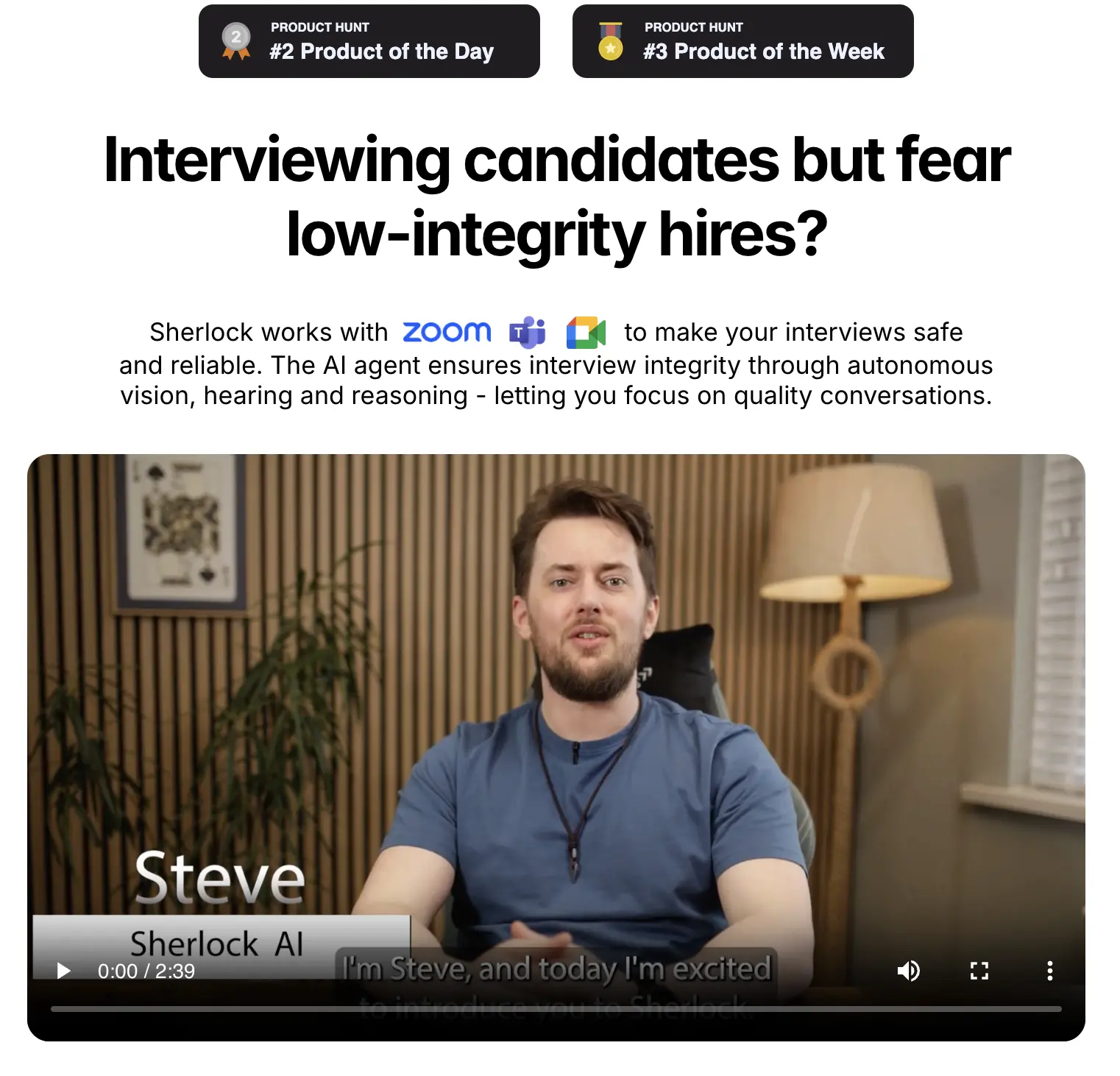
Features:
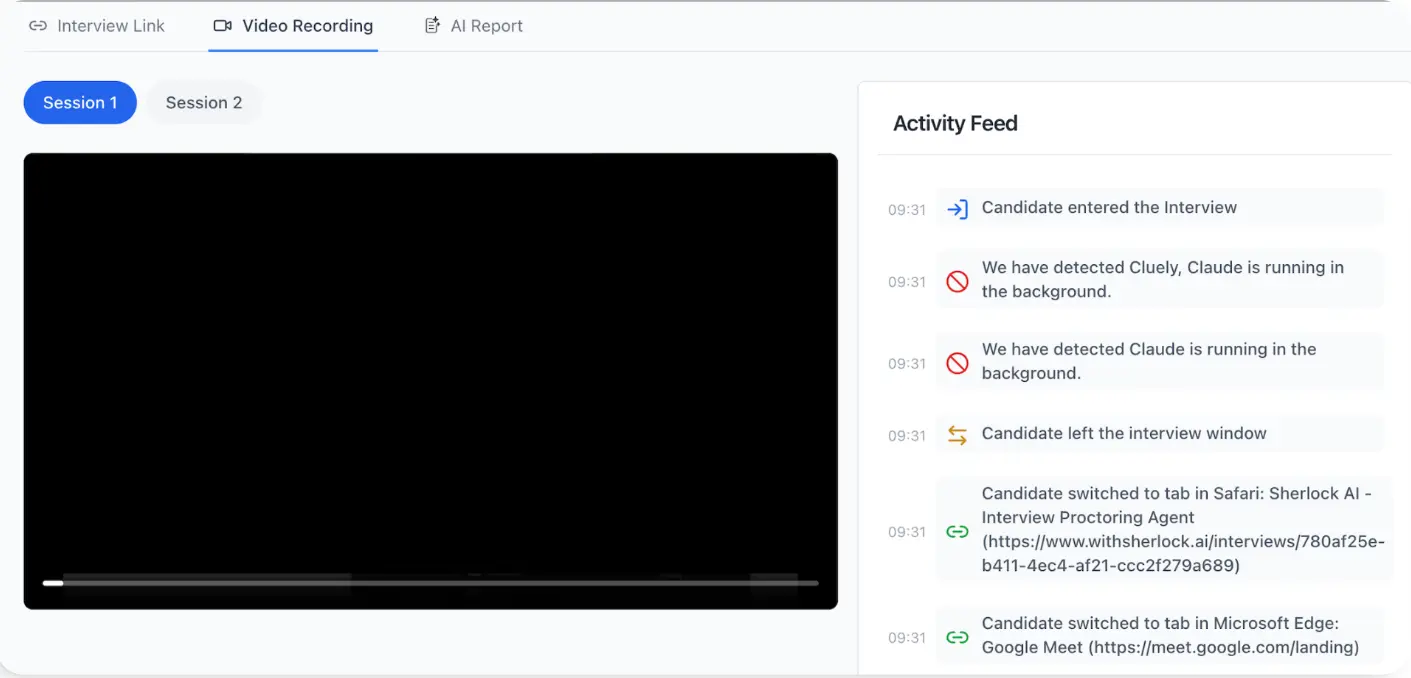
AI assistance detection: Identifies when candidates may be receiving real time help from external AI tools during interviews. Recruiters gain visibility into advantages that standard monitoring cannot catch.
Secondary device identification: Detects the likelihood of additional screens or phones being used. This helps teams understand whether answers may be coming from outside the interview environment.
Real time integrity monitoring: Continuously evaluates gaze shifts, audio cues, and behavioral patterns. Suspicious moments are highlighted as they occur rather than after the fact.
Live risk alerts: Notifies recruiters or observers instantly when potential violations are detected. This enables faster response and stronger confidence in outcomes.
Post interview integrity reports: Provides structured summaries with timestamps and incident indicators. Teams can quickly review and document hiring decisions.
Recruiter friendly dashboard: Centralizes sessions, flags, and candidate risk levels in one place. Designed for quick interpretation without technical expertise.
Seamless integration: Works with existing video platforms and ATS systems. No heavy implementation effort is required.
Candidate respectful design: Maintains oversight while avoiding unnecessary friction. Honest candidates can perform naturally.
👉 Sherlock AI (Anti-Interview-Fraud) Security Overview
2. WeCP (We Create Problems)
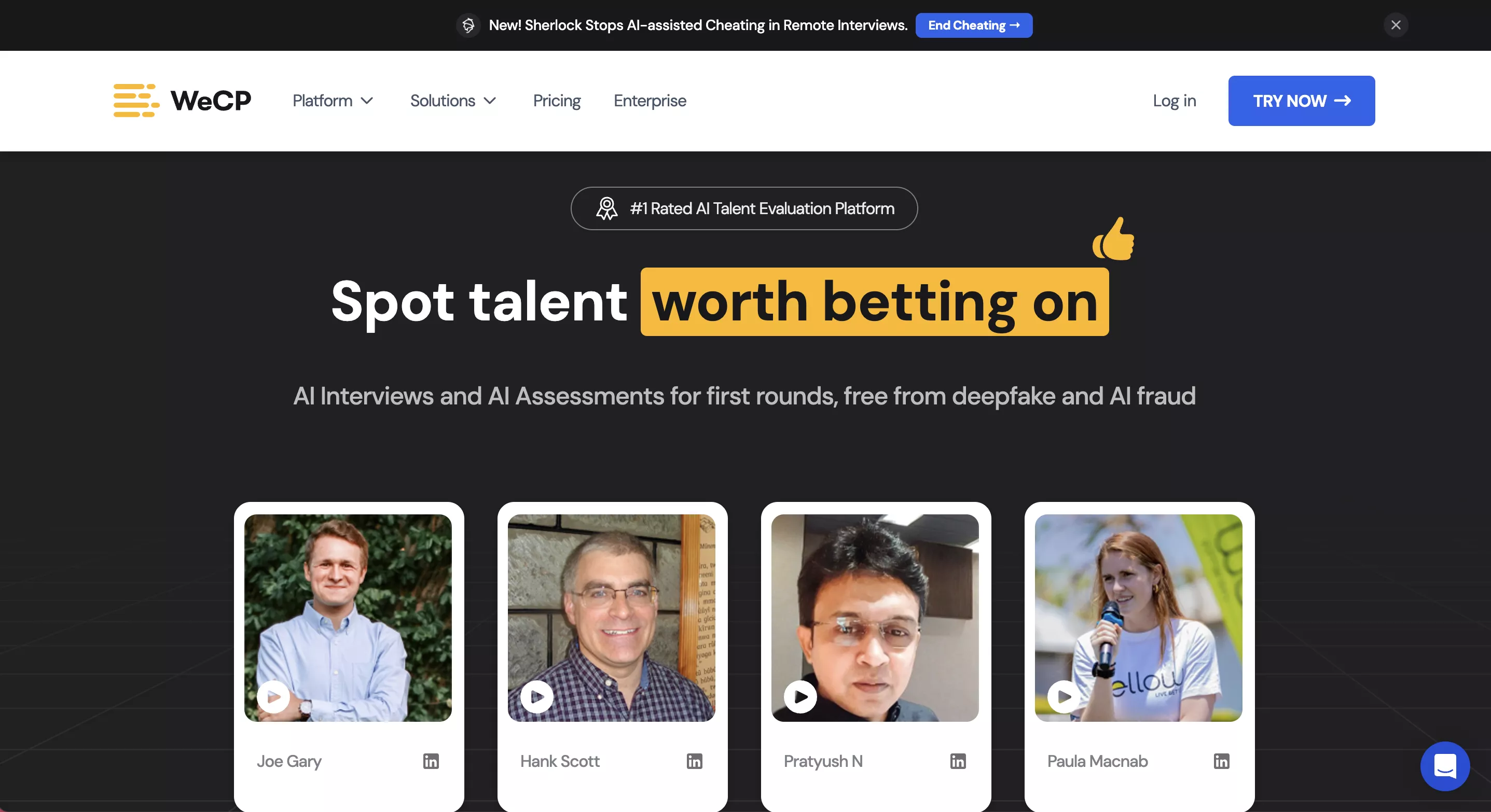
WeCP focuses on structured technical assessments and simulations for developer hiring. It is commonly used to validate real world programming ability.
Features:
Coding challenges: Supports multiple programming languages and frameworks. Recruiters can evaluate depth of technical knowledge in standardized conditions.
Real world simulations: Tasks mirror actual responsibilities developers face at work. This helps measure practical readiness, not just theory.
Automated grading: Submissions are scored instantly using predefined criteria. Hiring teams save review time and improve consistency.
Detailed analytics: Reports highlight strengths, weaknesses, and comparison metrics. Recruiters can make informed shortlisting decisions.
3. HackerRank
HackerRank is one of the most recognized platforms for technical screening and coding interviews. It serves startups through large enterprises.
Features:
Extensive question library: Offers a broad database across domains and difficulty levels. Teams can quickly build tests without starting from scratch.
Live coding interviews: Enables real time collaboration between interviewer and candidate. Useful for evaluating thought process and communication.
Automated scoring: Solutions are graded instantly based on accuracy and efficiency. This reduces manual bias in evaluation.
ATS integrations: Connects with common recruiting software. Data flows easily into existing workflows.
👉 Not the right fit? See HackerRank alternatives.
4. HireVue
HireVue provides video interviewing combined with assessment capabilities. It is popular for high volume recruitment.
Features:
On demand interviews: Candidates record answers at their convenience. Recruiters can review responses anytime.
Scheduling automation: Built in tools reduce back and forth coordination. Interviews move faster through the pipeline.
Assessment tools: Supports evaluation beyond resumes. Hiring decisions can rely on measurable competencies.
Collaboration features: Teams can share feedback and ratings. This improves alignment among stakeholders.
5. Codility
Codility helps organizations hire engineers through coding tests and technical interviews. It emphasizes objective evaluation.
Features:
Pre built assessments: Ready made tests help recruiters launch quickly. They are designed to match common hiring needs.
Live interviews: Interviewers and candidates work together in real time. Problem solving ability becomes easier to observe.
Anti plagiarism: Mechanisms help detect copied or reused answers. This promotes fairness.
Performance insights: Results provide benchmarking data. Recruiters can compare across applicants.
👉 Considering other options? Here are some Codility alternatives to explore.
6. TestGorilla
TestGorilla offers pre employment assessments across cognitive, personality, and technical areas. It is widely used for early stage filtering.
Features:
Test library: Hundreds of validated tests are available. Teams can mix and match based on roles.
Custom assessments: Employers can build their own combinations. This creates more relevant evaluations.
Automated ranking: Candidates are ordered by performance automatically. Recruiters spot top talent faster.
Anti cheating tools: Includes mechanisms to discourage unfair behavior. Helps maintain trust in results.
7. iMocha
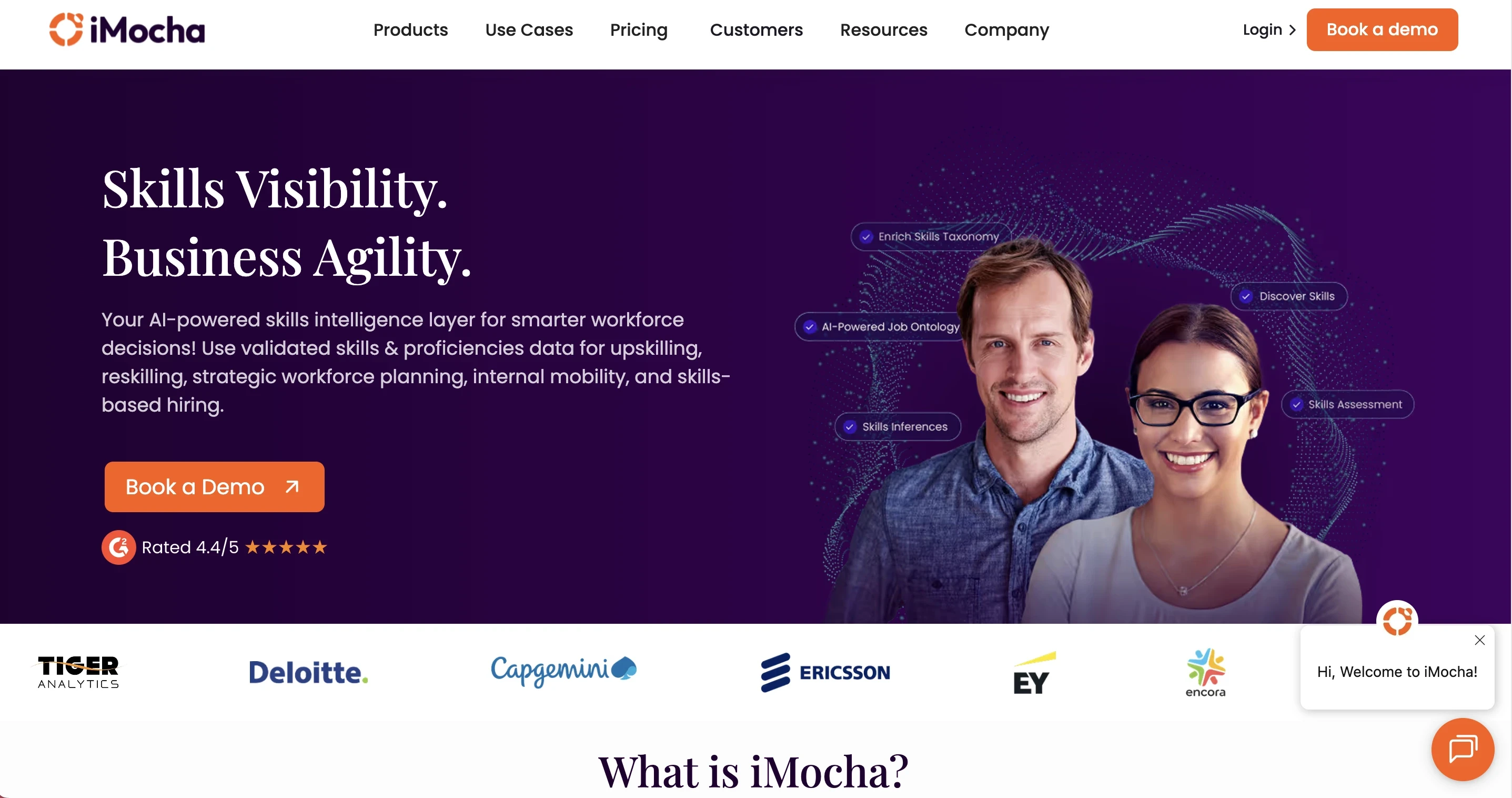
iMocha is a skills intelligence platform built for enterprises. It supports benchmarking and workforce planning.
Features:
Skill taxonomy: Covers thousands of skills across industries. Recruiters can align testing with job requirements.
Role based testing: Assessments map directly to specific positions. This improves relevance.
Analytics dashboards: Visual reports help interpret results. Leaders gain hiring clarity.
Enterprise integrations: Connects with HR ecosystems. Data remains centralized.
👉 Looking for something beyond iMocha? Check out these iMocha alternatives.
8. Xobin
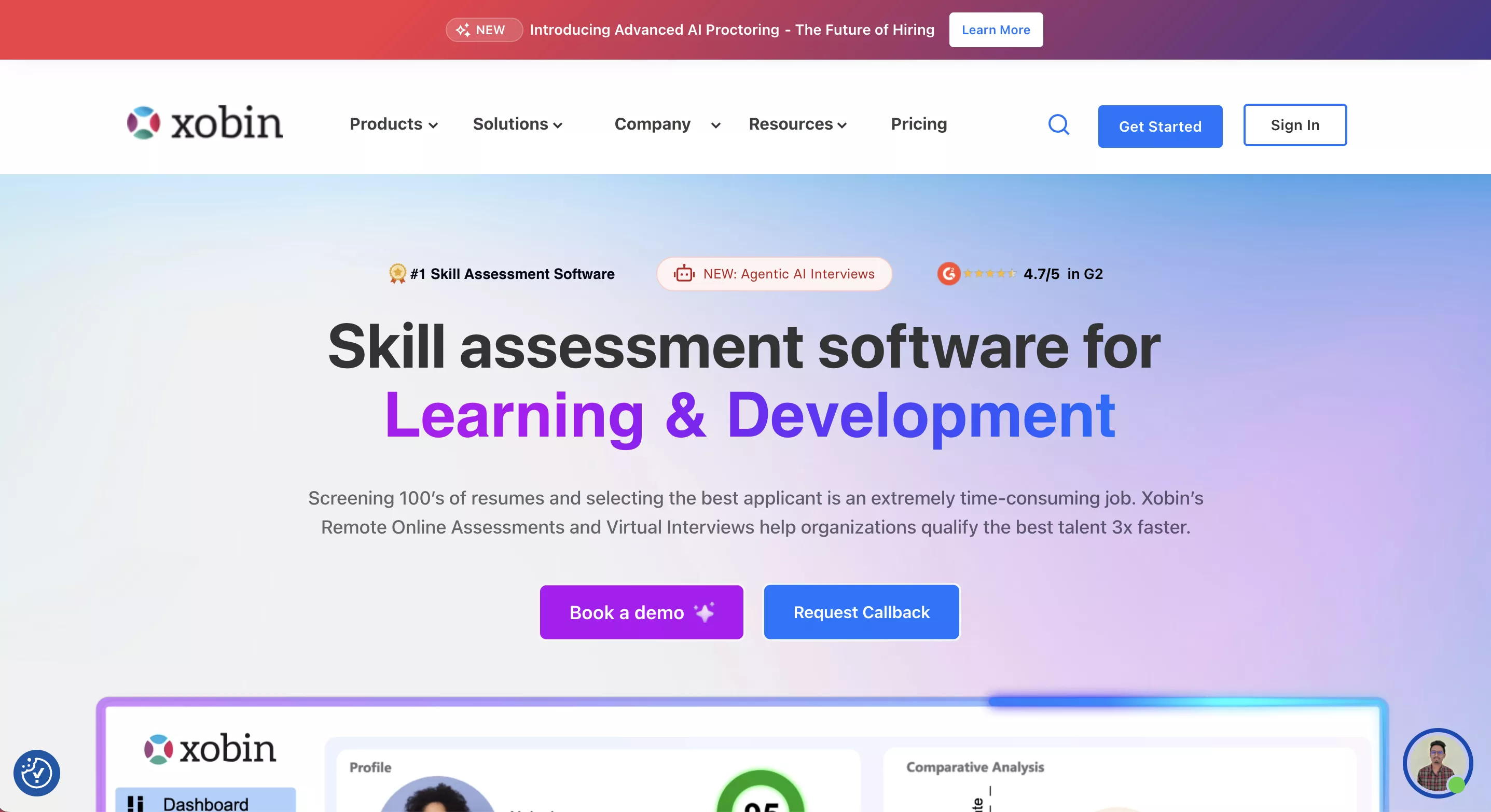
Xobin delivers automated assessments for companies hiring at scale. It blends aptitude and technical testing.
Features:
Technical and aptitude tests: Evaluates both knowledge and reasoning. This provides a fuller picture of ability.
AI evaluation: Automation supports quick grading. Recruiters reduce workload.
Remote proctoring: Monitoring tools discourage cheating. Integrity is maintained during tests.
Candidate insights: Reports help compare applicants effectively. Decisions become data driven.
9. VidCruiter
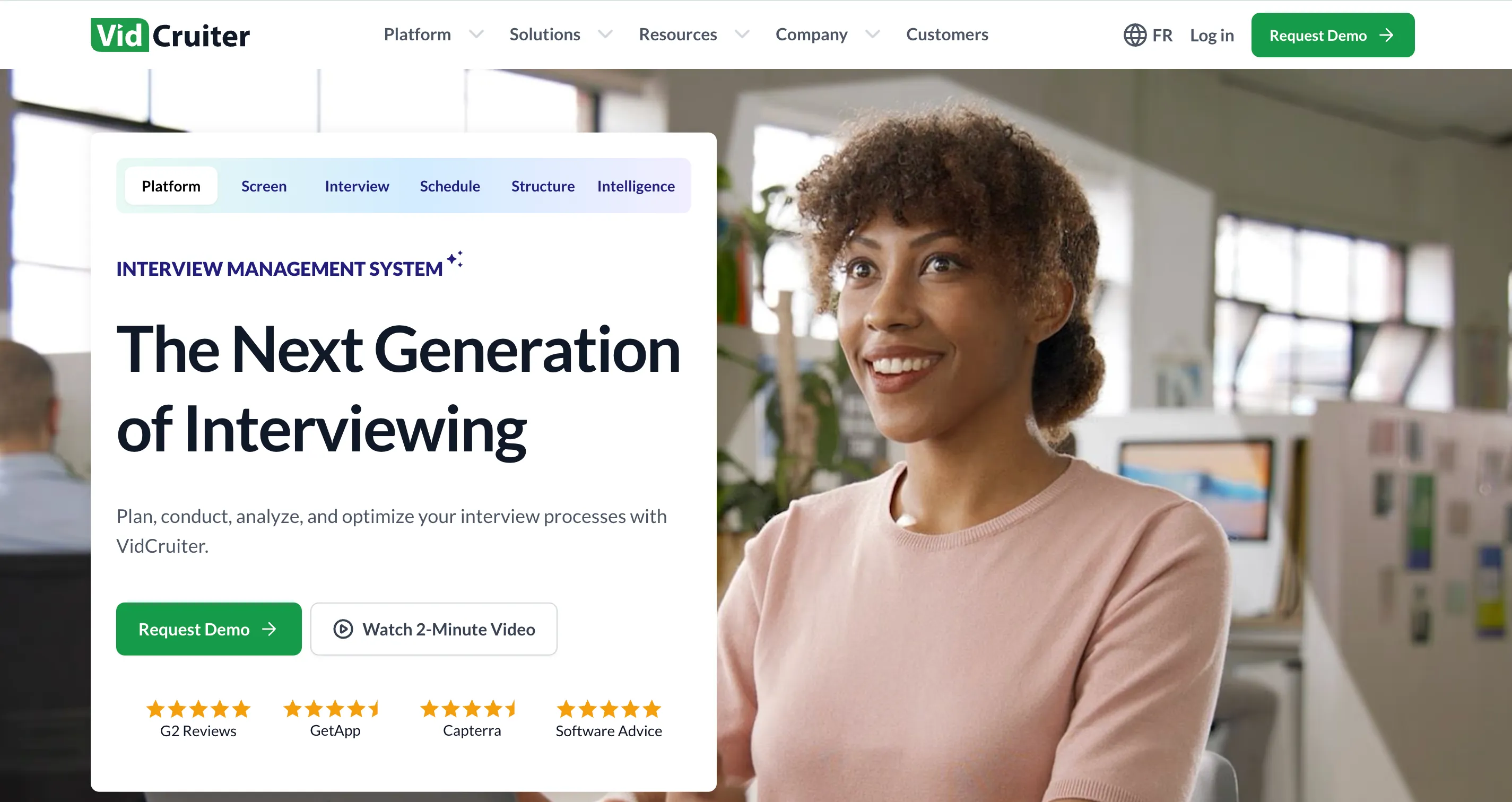
VidCruiter specializes in structured interviews and recruitment automation. It supports compliance and consistency.
Features:
Video interviews: Offers live and asynchronous formats. Teams can choose what suits them.
Workflow automation: Hiring stages become standardized. Processes run more efficiently.
Scheduling tools: Reduces manual coordination. Candidates move faster through steps.
Evaluation templates: Structured scoring improves fairness. Feedback is easier to compare.
10. Mercer Mettl
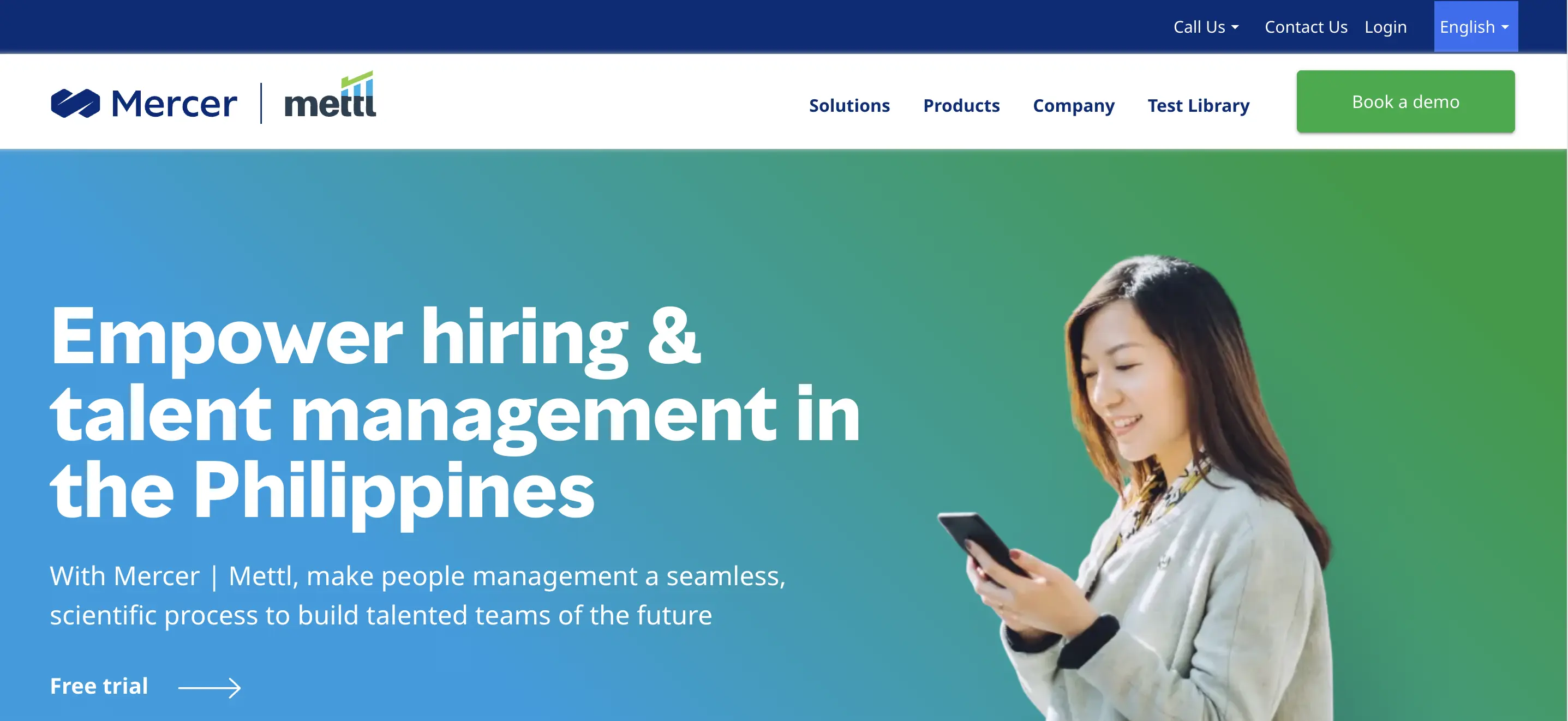
Mettl provides assessments, certifications, and proctoring solutions. It is known for large scale deployments.
Features:
Secure testing: Controlled environments protect exam integrity. Unauthorized actions are minimized.
AI monitoring: Behavior tracking flags potential risks. Recruiters receive alerts for review.
Large test catalog: Covers technical and non technical roles. Suitable for varied hiring needs.
Reporting tools: Generates detailed performance summaries. Stakeholders gain clarity.
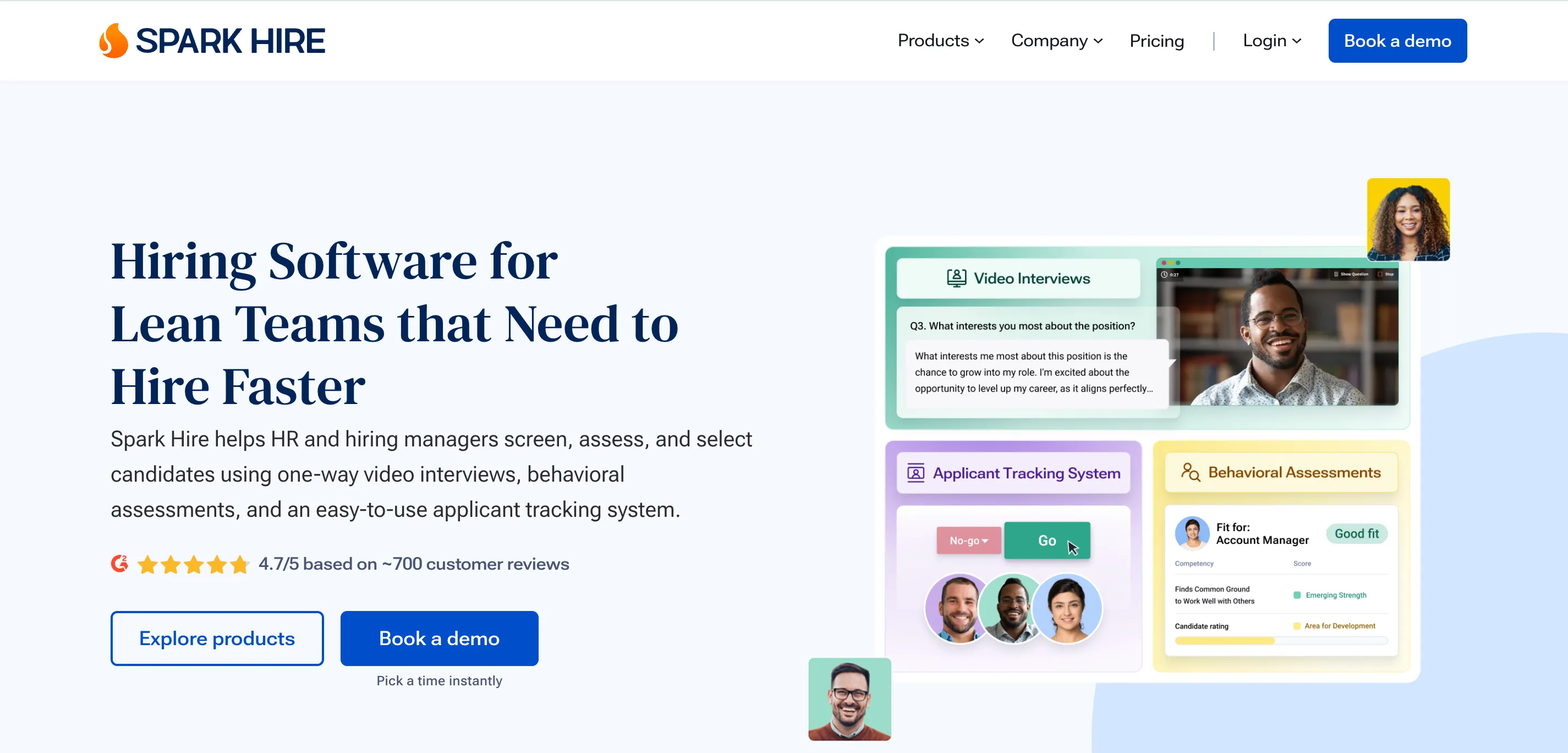
11. Spark Hire
Spark Hire is designed to make video screening simple and collaborative. It is often used for early evaluations.
Features:
One way interviews: Candidates respond on their own schedule. Recruiters review later.
Collaboration: Team members can comment and rate easily. Decisions become collective.
Evaluation workflows: Structured processes guide reviewers. Consistency improves.
ATS connectivity: Integrates with recruiting software. Information stays organized.
12. Vervoe
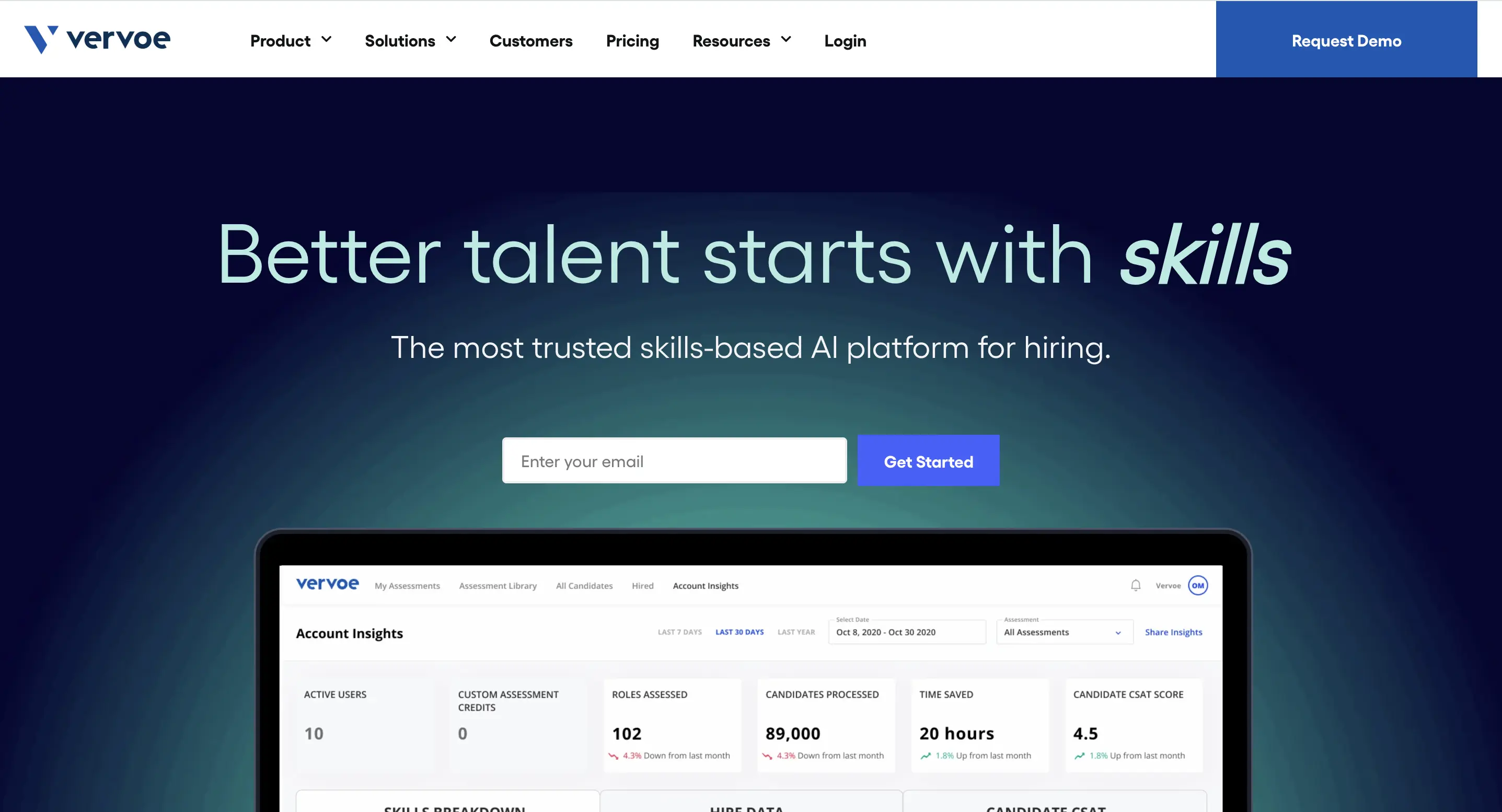
Vervoe focuses on skill demonstrations and AI assisted grading. It aims to surface job ready candidates.
Features:
Auto scored tasks: AI evaluates responses instantly. Manual work decreases.
Simulations: Candidates complete realistic assignments. Performance reflects real capability.
Candidate ranking: Talent is sorted by merit. Shortlisting becomes faster.
Custom branding: Employers can tailor the experience. This strengthens brand image.
👉 Not the right fit? See Vervoe alternatives.
13. Modern Hire
Modern Hire combines assessments with predictive analytics. It is geared toward enterprise hiring.
Features:
Science based evaluations: Built on research methodologies. Results aim for higher validity.
Structured interviews: Provides repeatable frameworks. Fairness is improved.
Analytics: Data supports strategic decisions. Leaders can forecast outcomes.
Enterprise support: Designed for large organizations. Scales across regions.
14. Toggl Hire
Toggl Hire helps teams screen skills quickly. It is popular among growing companies.
Features:
Ready made templates: Launch assessments rapidly. Minimal preparation is needed.
Automated ranking: Highlights top performers instantly. Recruiters save time.
Skills testing: Focuses on practical ability. Hiring becomes merit based.
Simple setup: Easy to adopt for small teams. Training effort is low.
15. Willis Towers Watson (WTW)
WTW offers enterprise grade assessments backed by research. It is often used for global benchmarking.
Features:
Psychometric expertise: Built on validated methodologies. Organizations trust the outcomes.
Global benchmarking: Compare talent across markets. Useful for multinational hiring.
Analytics tools: Deep data enables strategic insights. Leaders gain visibility.
Enterprise delivery: Supports complex implementations. Suitable for large scale programs.
Final Verdict: Choosing the Right Talview Alternative in the Age of AI Assisted Interviews
The proctoring landscape has changed dramatically. Earlier generations of tools were built to monitor environments, restrict browsers, or record sessions for later review. Today, the challenge is far more complex. Candidates can receive invisible help from real time AI systems, external messaging apps, and additional devices that sit outside the camera’s view.
Because of this, the definition of interview integrity is evolving from passive observation to active risk detection.
Some platforms in this list are excellent for assessments. Others shine in structured interviews or large scale enterprise workflows. But when the primary concern is preventing unfair assistance during live remote conversations, organizations need technology designed specifically for that threat.
Sherlock AI stands out because it focuses directly on detecting behaviors that indicate outside support. Instead of only capturing footage, it gives recruiters interpretable signals, immediate visibility, and documented evidence that strengthen hiring confidence.
As remote hiring continues to grow in 2026, companies that adapt to AI era risks will make better, fairer, and more defensible talent decisions.