Back to all blogs
Improve candidate experience with 21 practical strategies to reduce hiring drop-offs, strengthen employer branding, streamline recruitment workflows, and create a faster, more candidate-friendly hiring process.

Abhishek Kaushik
May 25, 2026

Candidate experience has become one of the most important factors in successful hiring. In today’s competitive job market, candidates evaluate employers the same way customers evaluate brands. A slow application process, poor communication, or confusing interviews can quickly push top talent toward competitors.
Modern candidates expect speed, transparency, and personalization throughout the recruitment journey. Unfortunately, many companies still struggle to deliver a smooth hiring experience. According to a recent Statista report, over 60% of job seekers in the US and UK have already started using AI tools during the application process, showing how quickly hiring expectations are evolving.
Communication also plays a critical role in candidate experience. Many applicants report frustration due to delayed responses, unclear hiring timelines, and lack of feedback after interviews. Studies show that 43% of candidates are far more likely to reapply to companies that communicate consistently and provide constructive feedback throughout the hiring process.
A positive candidate experience directly impacts employer branding, offer acceptance rates, and quality of hire. Candidates who feel respected during recruitment are more likely to recommend the company to others, even if they are not selected. On the other hand, poor hiring experiences can damage brand reputation across review sites, LinkedIn, and social media.
The good news is that improving candidate experience does not always require massive changes. Small improvements like writing clear job descriptions, simplifying applications, reducing interview rounds, and communicating faster can dramatically improve hiring outcomes.
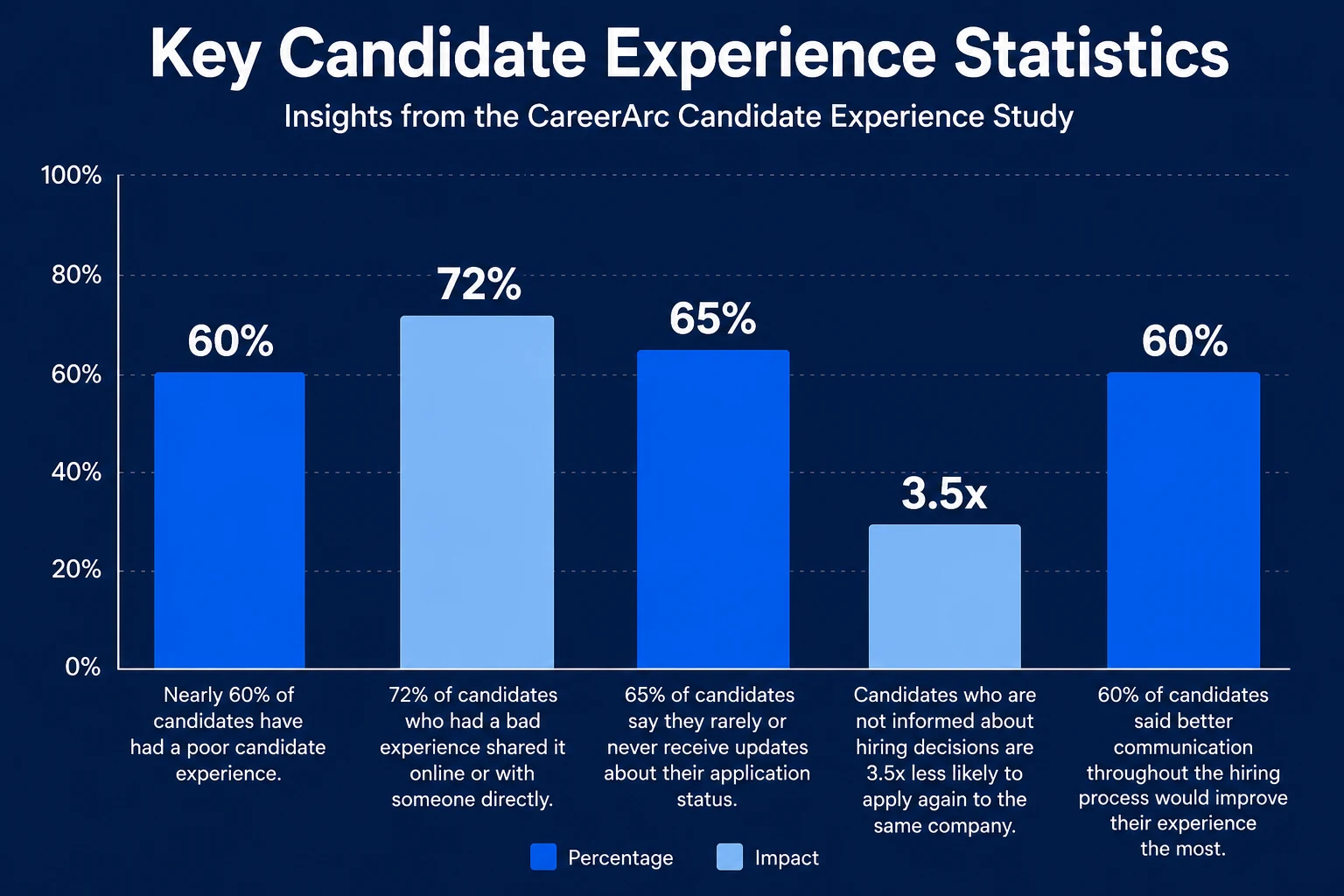
Source: https://careerarc.com/blog/candidate-experience-study-infographic
What Is Candidate Experience?
Candidate experience refers to how job seekers feel about your company throughout the recruitment process. It includes every interaction a candidate has with your brand, from reading a job description to attending interviews and receiving feedback.
A positive candidate experience makes applicants feel respected, informed, and valued during the hiring journey. A poor experience can lead to candidate drop-offs, negative employer reviews, and lower offer acceptance rates.
Candidate experience is influenced by:
Job descriptions
Application process
Communication speed
Interview experience
Feedback quality
Hiring transparency
Onboarding process
In today’s competitive hiring market, companies that prioritize candidate experience attract better talent, improve employer branding, and build stronger long-term hiring pipelines.
21 Ways To Improve Your Candidate Experience
Hiring today is not just about finding the right candidate. It is also about creating a hiring process that candidates actually enjoy. From the moment someone reads your job description to the final onboarding stage, every interaction shapes how they view your company.
A positive candidate experience helps companies attract better talent, improve offer acceptance rates, strengthen employer branding, and reduce candidate drop-offs. On the other hand, poor communication, long application forms, and unclear hiring processes can quickly drive top candidates away.
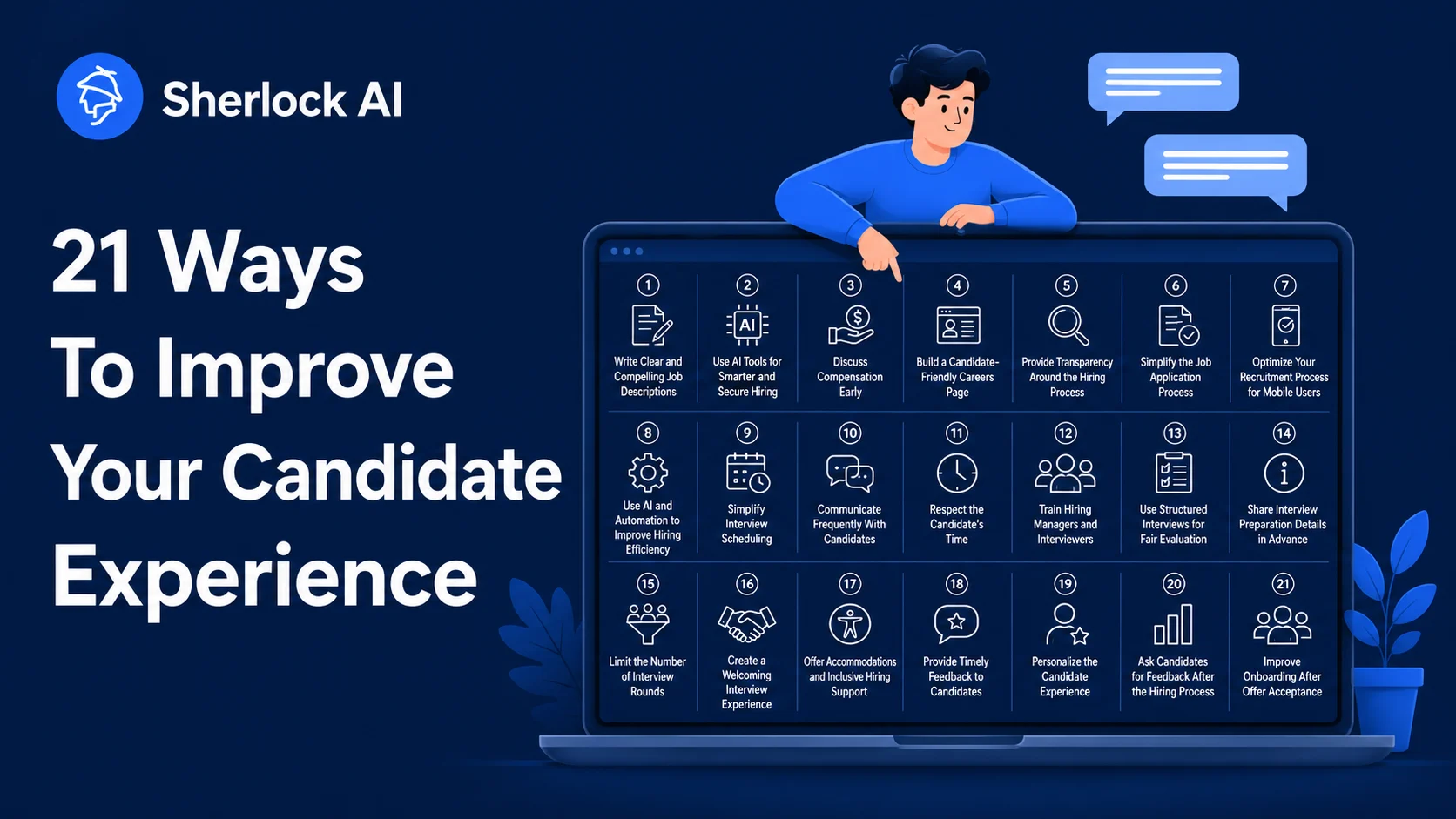
In this guide, we will explore 20 practical ways to improve candidate experience and build a more efficient, candidate-friendly recruitment process with the help of modern hiring strategies and AI-powered tools like Sherlock AI.
1. Write Clear and Compelling Job Descriptions
Your job description is the first impression candidates have of your company. A confusing or overly complicated job post can discourage qualified candidates from applying. Clear and well-structured job descriptions help candidates quickly understand the role, expectations, and company culture.
Strong job descriptions also improve application quality and reduce hiring mismatches.
Use simple and easy-to-understand language
Clearly separate required and preferred skills
Mention salary range, benefits, and hiring timelines
Candidates appreciate transparency and clarity. When job expectations are easy to understand, applicants feel more confident about applying and are less likely to abandon the process midway.
Clear job descriptions create a stronger first impression and set the foundation for a positive candidate experience.
2. Use AI Tools for Smarter and Secure Hiring
Modern recruitment teams are increasingly using AI tools to improve communication, reduce delays, and streamline repetitive hiring tasks. AI-powered recruitment helps create faster, more efficient, and more secure candidate experiences.
AI tools also help recruiters maintain interview integrity and reduce hiring fraud during remote recruitment processes.
Automate interview scheduling and follow-ups
Improve candidate communication with AI-powered workflows
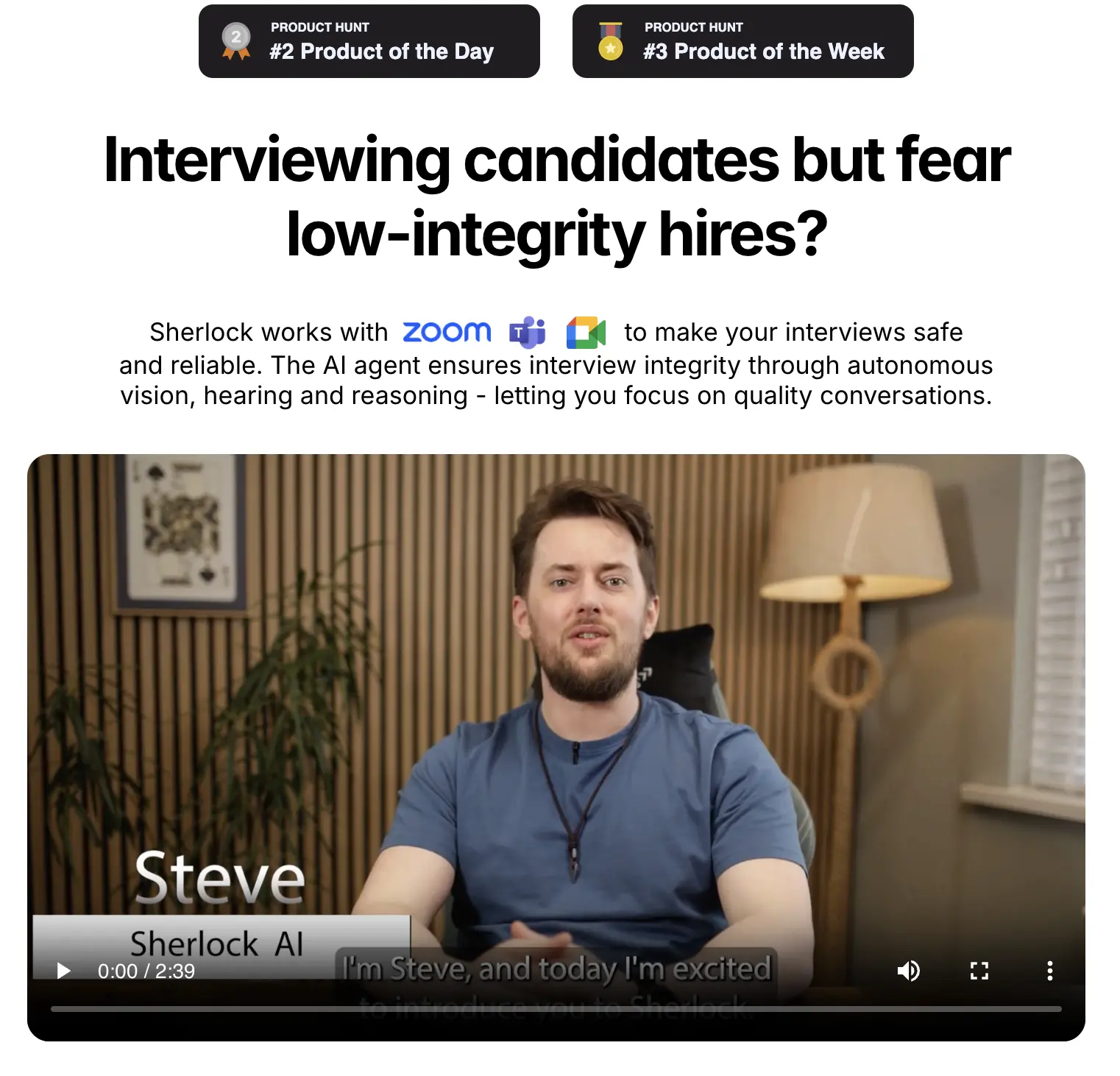
Use tools like Sherlock AI to detect AI-assisted cheating, proxy candidates, deepfake interviews, and suspicious behavior during remote hiring interviews
Candidates value fair, transparent, and efficient hiring processes. AI-powered recruitment tools help companies improve hiring quality while creating smoother candidate experiences.
Using AI in recruitment helps organizations build faster, smarter, and more secure hiring workflows.
3. Discuss Compensation Early
Salary transparency plays a major role in improving candidate experience. Many candidates lose interest in a role when compensation details are hidden until the final stages of hiring. Discussing salary expectations early helps build trust and prevents unnecessary interview rounds.
Being transparent about compensation also helps companies attract candidates who are genuinely aligned with the role and budget.
Mention salary range in the job description
Discuss compensation during the initial screening round
Be transparent about bonuses, benefits, and perks
Candidates appreciate honesty and clarity around pay. Early compensation discussions reduce misunderstandings, save time, and create a smoother hiring process for both recruiters and applicants.
Transparent compensation conversations help build trust and improve the overall candidate experience.
4. Build a Candidate-Friendly Careers Page
Your careers page is often where candidates decide whether they want to apply or leave. A poorly designed page with outdated information or complicated navigation can create a negative first impression. A clear and engaging careers page helps candidates learn more about your company, culture, and open roles.
An optimized careers page also strengthens employer branding and improves application rates.
Showcase company culture, values, and team environment
Keep job listings updated and easy to navigate
Optimize the careers page for mobile devices
Candidates want to understand what it feels like to work at your company before applying. A modern and informative careers page helps build trust and encourages more qualified candidates to apply.
A strong careers page creates a better first impression and improves the overall candidate journey.
5. Provide Transparency Around the Hiring Process
Candidates feel more comfortable when they understand what to expect during the hiring process. Lack of communication and unclear timelines often lead to frustration and candidate drop-offs. Transparent hiring processes help build trust and improve engagement.
Clear expectations also reduce uncertainty and improve the overall recruitment experience.
Explain the number of interview rounds clearly
Share estimated timelines for updates and decisions
Inform candidates about assessments or assignments beforehand
Candidates appreciate companies that communicate openly about the recruitment process. Transparency helps candidates feel respected and valued throughout the hiring journey.
A transparent hiring process builds trust and creates a more positive candidate experience.
6. Simplify the Job Application Process
Long and complicated applications are one of the biggest reasons candidates abandon job applications. Candidates prefer fast, simple, and user-friendly application experiences.
An easy application process improves completion rates and attracts more qualified applicants.
Reduce unnecessary form fields and steps
Allow resume uploads with autofill options
Keep the application process short and mobile-friendly
Candidates are more likely to complete applications when the process is smooth and time-efficient. Simplicity shows that your company respects their time.
A streamlined application process improves engagement and reduces candidate drop-offs.
7. Optimize Your Recruitment Process for Mobile Users
A large percentage of job seekers now apply using smartphones and tablets. If your hiring process is not mobile-friendly, you may lose qualified candidates before they even apply.
Mobile optimization improves accessibility and application completion rates.
Use responsive career pages and application forms
Keep application steps simple on smaller screens
Ensure interview scheduling works smoothly on mobile devices
Candidates expect a seamless mobile experience when applying for jobs. A mobile-optimized hiring process makes applications more convenient and accessible.
Mobile-friendly recruitment helps companies reach a larger talent pool and improve candidate experience.
8. Use AI and Automation to Improve Hiring Efficiency
Modern recruitment teams are increasingly using AI tools to improve communication, reduce delays, and streamline repetitive hiring tasks. AI-powered recruitment helps create faster and more personalized candidate experiences.
Automation also allows recruiters to focus more on candidate engagement instead of manual administrative work.
Automate interview scheduling and follow-ups
Use AI tools to improve candidate communication
Reduce manual screening and repetitive hiring tasks
Candidates value faster responses and smoother hiring processes. AI-powered hiring tools help reduce delays and improve recruitment efficiency.
Using AI and automation in recruitment helps companies create faster, smarter, and more candidate-friendly hiring workflows.
9. Simplify Interview Scheduling
Interview scheduling delays can frustrate candidates and slow down the hiring process. Manual coordination through multiple emails often creates confusion and unnecessary back-and-forth communication.
Simplified interview scheduling improves efficiency and creates a smoother candidate experience.
Use automated scheduling tools for faster coordination
Offer flexible interview time slots
Send calendar invites and reminders automatically
Candidates appreciate quick and convenient scheduling processes. Easy interview coordination shows professionalism and respect for their time.
Efficient interview scheduling helps create a faster and more organized hiring experience.
10. Communicate Frequently With Candidates
Poor communication is one of the biggest reasons candidates have negative hiring experiences. Candidates want regular updates throughout the recruitment process, even if there are delays or changes in timelines. 65% of candidates say they either never or rarely receive notice of the decision made on their application from an employer.
Frequent communication helps candidates feel informed, respected, and valued during the hiring journey.
Send timely updates after interviews and assessments
Inform candidates about delays or status changes
Use personalized communication whenever possible
Candidates appreciate companies that keep them informed instead of leaving them waiting without updates. Consistent communication improves trust and reduces candidate frustration.
Strong communication creates a smoother and more positive candidate experience.
11. Respect the Candidate’s Time
Candidates invest significant time preparing for interviews, assessments, and meetings. Long waiting periods, delayed interviews, and unnecessary hiring rounds can create frustration and reduce engagement.
Respecting candidates’ time improves your employer brand and hiring reputation.
Start interviews on time and avoid unnecessary delays
Keep hiring stages focused and efficient
Avoid assigning lengthy unpaid assessments
Candidates value companies that run organized and efficient hiring processes. Respect for their time reflects professionalism and strong company culture.
An efficient hiring process improves candidate satisfaction and reduces drop-offs.
12. Train Hiring Managers and Interviewers
Interviewers play a major role in shaping candidate experience. Unprepared or unprofessional interviewers can negatively impact how candidates view your company.
Training hiring teams helps create more structured, respectful, and engaging interviews.
Train interviewers on communication and evaluation skills
Ensure consistency across interview panels
Educate teams about unconscious bias and inclusivity
Candidates expect professional and well-organized interviews. Proper interviewer training helps create a fair and positive recruitment experience.
Well-trained hiring teams improve both candidate experience and hiring quality.
13. Use Structured Interviews for Fair Evaluation
Structured interviews help companies evaluate candidates consistently and fairly. Unstructured interviews often lead to biased decision-making and inconsistent candidate experiences.
A standardized interview process improves transparency and hiring accuracy.
Ask all candidates similar role-specific questions
Use clear evaluation criteria for scoring
Focus on skills and job-related competencies
Candidates appreciate fair and objective interview processes. Structured interviews create a more professional and inclusive hiring environment.
Consistent interview processes improve hiring decisions and strengthen candidate trust.
14. Share Interview Preparation Details in Advance
Many candidates feel anxious before interviews because they do not know what to expect. Sharing preparation details beforehand helps candidates feel more confident and prepared.
Clear interview guidance also improves interview quality and engagement.
Share interview format and agenda beforehand
Inform candidates about interview duration and panel members
Provide technical requirements for virtual interviews
Candidates appreciate companies that help them prepare effectively. Transparent interview preparation creates a more comfortable and professional experience.
Prepared candidates often perform better and have a more positive impression of the company.
15. Limit the Number of Interview Rounds
Lengthy hiring processes can frustrate candidates and increase drop-off rates. Many top candidates accept other offers when interview processes take too long.
Keeping interviews concise and focused improves hiring efficiency and candidate satisfaction.
Reduce unnecessary interview stages
Combine similar evaluation rounds when possible
Make faster hiring decisions after final interviews
Candidates prefer streamlined recruitment processes that respect their time and effort. Faster hiring also helps companies secure top talent before competitors do.
Shorter and more efficient hiring processes improve the overall candidate experience.
16. Create a Welcoming Interview Experience
The interview environment strongly influences how candidates perceive your company. A welcoming and professional atmosphere helps candidates feel comfortable and confident during interviews.
Positive interview experiences improve employer branding and candidate engagement.
Greet candidates warmly and professionally
Ensure interviewers are prepared and attentive
Create a comfortable environment for virtual and in-person interviews
Candidates remember how they were treated during interviews, regardless of the final hiring decision. Respectful and engaging interactions leave lasting positive impressions.
A welcoming interview experience helps strengthen candidate relationships and company reputation.
17. Offer Accommodations and Inclusive Hiring Support
An inclusive hiring process ensures that all candidates feel comfortable and supported throughout recruitment. Companies that prioritize accessibility and inclusivity create better experiences for diverse talent pools.
Providing accommodations also demonstrates respect, fairness, and professionalism.
Offer flexible interview formats when needed
Provide accessibility support for candidates with disabilities
Use inclusive and bias-free hiring practices
Candidates appreciate companies that make recruitment accessible and welcoming for everyone. Inclusive hiring processes help improve employer branding and attract diverse talent.
An inclusive candidate experience helps build a stronger and more equitable hiring process.
18. Provide Timely Feedback to Candidates
Candidates value feedback, especially after interviews and assessments. Delayed responses or complete silence can create frustration and damage your employer reputation.
Timely feedback helps candidates feel respected, even if they are not selected for the role.
Share interview outcomes as quickly as possible
Provide constructive feedback when appropriate
Avoid ghosting candidates after interviews
Candidates appreciate honesty and communication throughout the hiring process. Feedback helps create a more transparent and professional recruitment experience.
Providing timely feedback improves candidate trust and strengthens employer branding.
19. Personalize the Candidate Experience
Candidates want to feel like more than just another application in the system. Personalized communication and interactions help create stronger candidate engagement and improve overall hiring experiences.
Personalization also helps companies stand out in competitive hiring markets.
Address candidates by name in communication
Reference their skills and experience during interviews
Tailor interactions based on the role and candidate profile
Candidates appreciate companies that take the time to create personalized experiences. Small details can make the hiring process feel more human and engaging.
Personalized recruitment experiences help build stronger candidate relationships and improve hiring outcomes.
20. Ask Candidates for Feedback After the Hiring Process
Candidate feedback helps companies identify problems and improve their recruitment process over time. Understanding how candidates feel about the hiring journey provides valuable insights for future improvements.
Feedback also shows candidates that their opinions are valued.
Send short candidate experience surveys after interviews
Ask about communication, interviews, and application experience
Use feedback to improve hiring workflows and processes
Candidates appreciate companies that actively listen and make improvements. Feedback-driven hiring processes create better long-term recruitment experiences.
Collecting candidate feedback helps companies continuously improve their hiring strategy.
21. Improve Onboarding After Offer Acceptance
Candidate experience does not end when the offer is accepted. A smooth onboarding process helps new hires feel welcomed, prepared, and excited to join the company.
Strong onboarding improves employee engagement and long-term retention.
Share onboarding schedules and resources early
Maintain communication before the joining date
Help new hires understand company culture and expectations
Candidates who experience smooth onboarding transitions are more likely to stay engaged and productive from day one. Early support creates a stronger connection with the company.
A positive onboarding experience completes the candidate journey and sets employees up for long-term success.
Building a Hiring Experience Candidates Remember
Candidate experience has become one of the most important factors in modern recruitment. Today’s candidates expect more than just a job opportunity. They want clear communication, transparent hiring processes, faster responses, and respectful interactions throughout the recruitment journey. A poor hiring experience can damage employer branding, increase candidate drop-offs, and cause companies to lose top talent to competitors.
Improving candidate experience starts with small but meaningful changes such as writing better job descriptions, simplifying applications, reducing interview delays, and providing timely feedback. Companies that focus on creating smooth and candidate-friendly hiring experiences often see higher-quality applications, stronger offer acceptance rates, and better long-term employee retention.
Technology also plays a major role in transforming recruitment. AI-powered hiring platforms like Sherlock AI help companies streamline hiring workflows, improve communication, monitor remote interview integrity, and create more efficient recruitment processes.
In the end, candidate experience is not just about hiring faster. It is about building trust, strengthening your employer brand, and creating a hiring process that candidates genuinely appreciate. Companies that invest in better candidate experiences today will be better positioned to attract and retain top talent in the future.