Back to all blogs
Compare the best Proctorio competitors for AI-assisted cheating, identity verification, and scalable remote testing. See which platform fits your needs.

Abhishek Kaushik
Mar 3, 2026

Online assessments and remote hiring are growing fast, but so are concerns about academic integrity, candidate authenticity, and AI assisted cheating. Many organizations that once relied on Proctorio are now exploring more flexible, transparent, and AI resilient solutions.
Whether you are a university, certification provider, or hiring team, choosing the right remote proctoring platform can directly affect fairness, candidate experience, and hiring quality.
The challenge is that remote testing has changed dramatically in the last few years. Candidates now have access to generative AI tools, real time answer engines, hidden communication channels, and secondary devices that are difficult to detect with traditional webcam based monitoring. Methods that worked in the past may no longer provide the level of trust institutions need today.
At the same time, privacy expectations are higher than ever. Test takers want security, but they also expect systems that are transparent, minimally intrusive, and easy to use. Organizations must balance strong protection with a smooth experience.
Because of this shift, buyers are prioritizing platforms that go beyond simple recording. They want deeper intelligence, clearer risk signals, faster reviews, and integrations with their hiring or learning ecosystems.
This guide covers the top 15 Proctorio alternatives in 2026, the key features to compare, and how to select the right tool for your specific environment.
Top 15 Proctorio Alternatives in 2026
Looking for a secure, scalable, and candidate friendly solution beyond Proctorio? You are not alone. Universities, certification bodies, and hiring teams are rethinking how they protect remote assessments in a world of AI copilots, proxy test takers, and real time answer assistance.
Below is a curated list of the best Proctorio alternatives in 2026. Each platform offers a different approach, from automated monitoring and live proctors to advanced behavioral intelligence and seamless integrations with existing workflows.
1. Sherlock AI
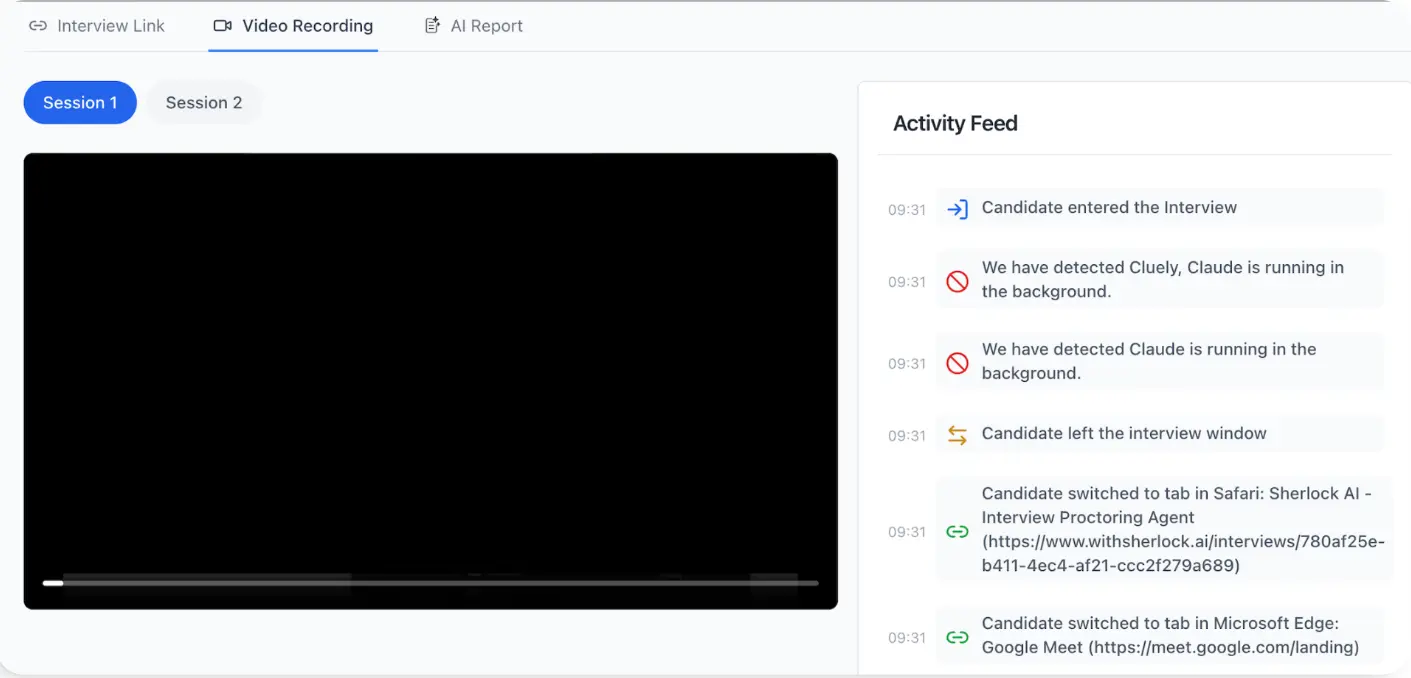
Sherlock AI is an interview proctoring platform built for the modern hiring landscape, where cheating no longer looks like cheating. It helps organizations detect impersonation, real time external assistance, and scripted or misrepresented responses that are difficult to uncover through traditional interview methods.

Running silently alongside live interviews, Sherlock AI analyzes behavioral, audio, and device level signals without interrupting recruiters or candidates. This non intrusive approach preserves candidate experience while delivering objective integrity intelligence during and after the conversation.
When AI tools are permitted, Sherlock AI can also evaluate AI fluency, helping teams understand how effectively a candidate uses AI rather than judging answers only on surface correctness.
Key Features
Detection of hidden real time interview assistance and AI copilots(e.g., Cluely, Parakeet AI type tools)
Identification of impersonation and proxy interview attempts
Deepfake detection across audio and video signals
Behavioral and response pattern analysis to surface inconsistencies
Real time integrity alerts during live interviews
Automated interview notes with structured performance and risk insights
AI fluency scoring when AI usage is allowed
Non invasive monitoring with no browser lockdowns
Works directly inside Zoom, Google Meet, and Microsoft Teams
Integrations
ATS platforms
Video interview tools
Coding environments
API ready infrastructure
Best For
High stakes remote interviews where impersonation, AI assisted cheating, and candidate authenticity are critical concerns. Especially valuable for technical, leadership, and trust sensitive roles.
Why It’s a Top Pick
Sherlock AI is purpose built for interview integrity. While many proctoring systems focus on obvious rule violations, Sherlock AI addresses subtle risks introduced by generative AI and remote collaboration tools.
There are no warnings, pop ups, or disruptions. Sherlock AI observes, analyzes, and reports signals in the background so recruiters gain evidence instead of intuition.
For organizations hiring in an AI augmented world, this replaces gut feeling with defensible insight and enables high confidence decisions without sacrificing fairness or candidate comfort.
👉 How Sherlock AI Detects AI Interview Cheating in Remote Hiring
2. Honorlock
Honorlock is a widely used remote proctoring solution across higher education institutions. The platform combines automated AI monitoring with live human intervention when potential issues arise. Its goal is to maintain exam integrity while reducing friction and anxiety for students during testing.
Key Features
Automated AI monitoring of candidate behavior during exams
Live pop-in assistance from human proctors when risks are detected
Search and web activity monitoring to prevent answer lookups
Detailed flagging and reporting for instructor review
Integrations
Major LMS platforms
3. ProctorU (Meazure Learning)
ProctorU is one of the most established providers in remote proctoring, supporting universities and certification bodies worldwide. It offers both live and automated models depending on exam requirements. The service is particularly known for structured delivery of high-stakes, scheduled tests.
Key Features
Live human proctors supervise candidates in real time
Robust identity verification before and during sessions
Advanced scheduling and session management capabilities
Support for multiple testing formats and environments
Integrations
LMS and credential systems
👉 Take a look at other ProctorU alternatives.
4. Examity
Examity provides tiered proctoring services that range from automated AI to live invigilation. This allows institutions to align security intensity with exam importance. The platform is widely deployed in higher education and professional certification programs.
Key Features
Flexible mix of automated and live proctoring
Secure ID authentication at exam start
Recorded audit trails for compliance and review
Customizable security configurations by exam type
Integrations
Learning platforms
5. Talview
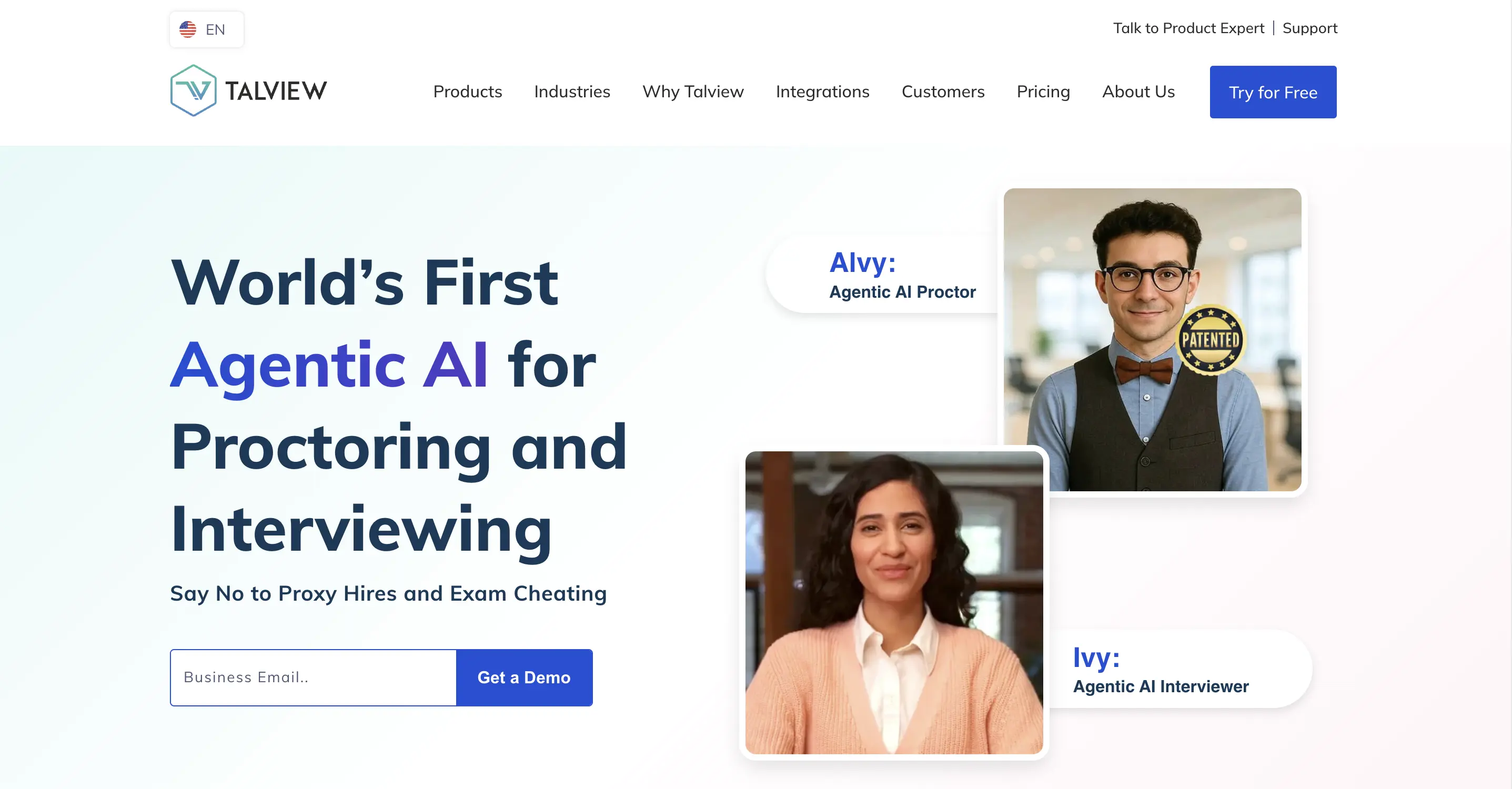
Talview brings together remote proctoring, video interviewing, and broader hiring workflows. Its AI engine flags suspicious behaviors while enabling recruiters or educators to validate events. Organizations often adopt it when they want assessment and interview capabilities in one system.
Key Features
Remote proctoring across assessments and tests
Built-in video interviewing functionality
AI-powered anomaly detection and alerts
Collaborative review and analytics dashboards
Integrations
ATS and LMS tools
👉 Compare top Talview alternatives
6. Mercer Mettl
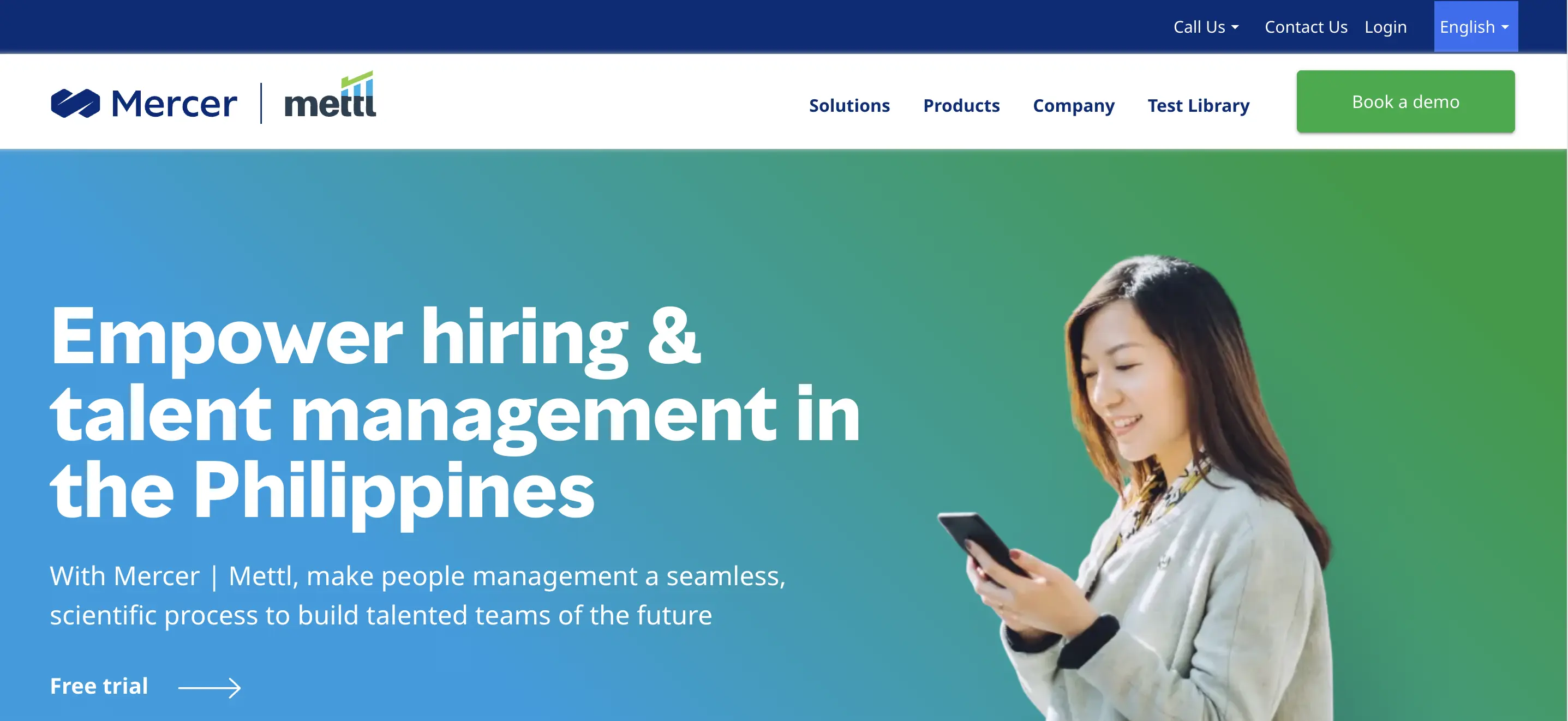
Mercer Mettl is a global assessment platform used in enterprise hiring, university exams, and certifications. It blends artificial intelligence with human review to deliver scalable oversight. The system is recognized for supporting large deployments across regions.
Key Features
Secure lockdown browsers for controlled testing
Combination of AI automation and human auditing
Infrastructure designed for high candidate volumes
Comprehensive reporting and analytics
Integrations
HR tech and exam systems
7. Proctortrack
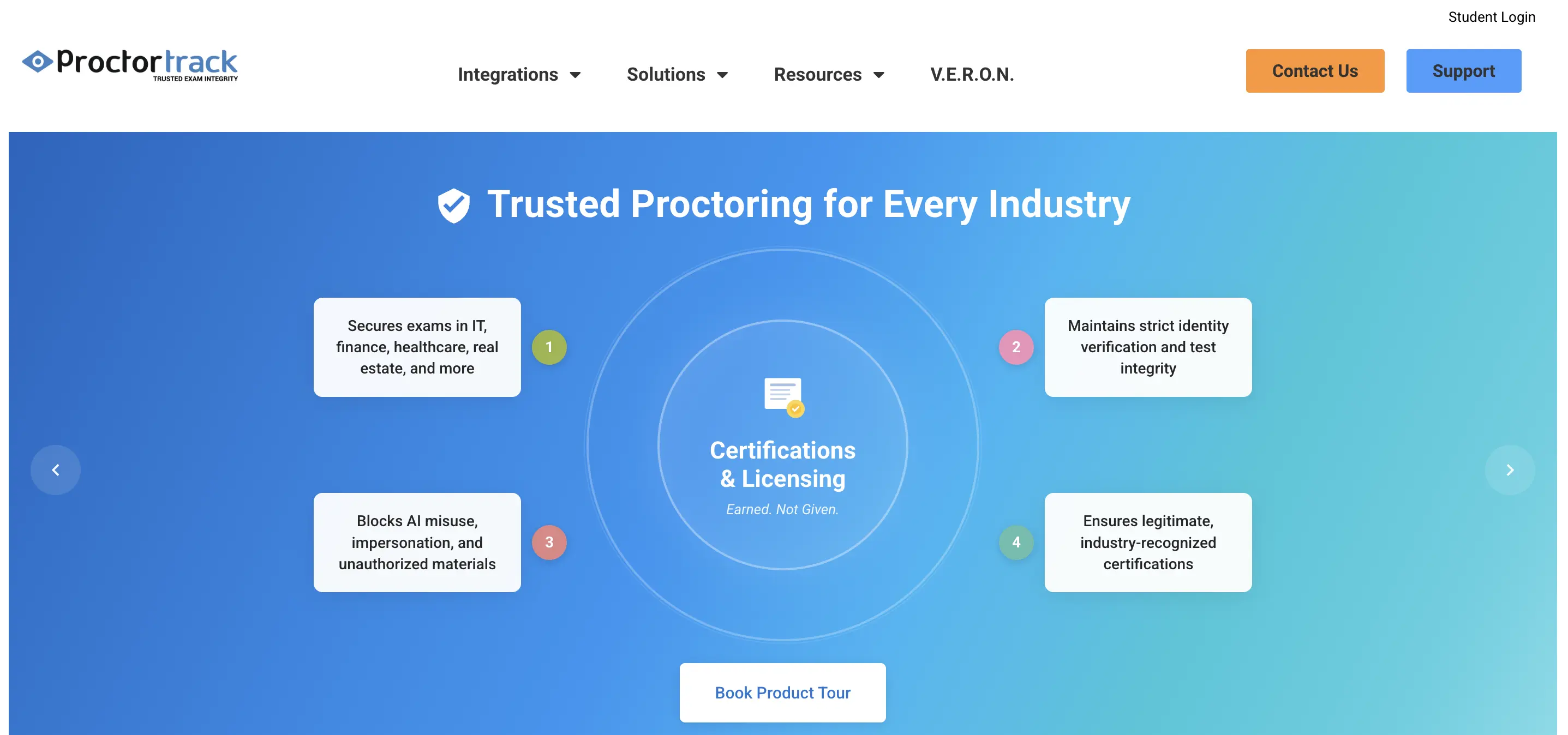
Proctortrack centers on automated monitoring supported by identity and environment validation. It aims to create repeatable and structured supervision without heavy live staffing. Universities frequently use it in online and distance learning programs.
Key Features
Facial recognition for candidate authentication
Room scans to verify testing environments
Automated incident detection and reports
Continuous monitoring throughout sessions
Integrations
LMS ecosystems
👉 Proctortrack not the right fit? Discover better Proctortrack alternatives.
8. Respondus Monitor
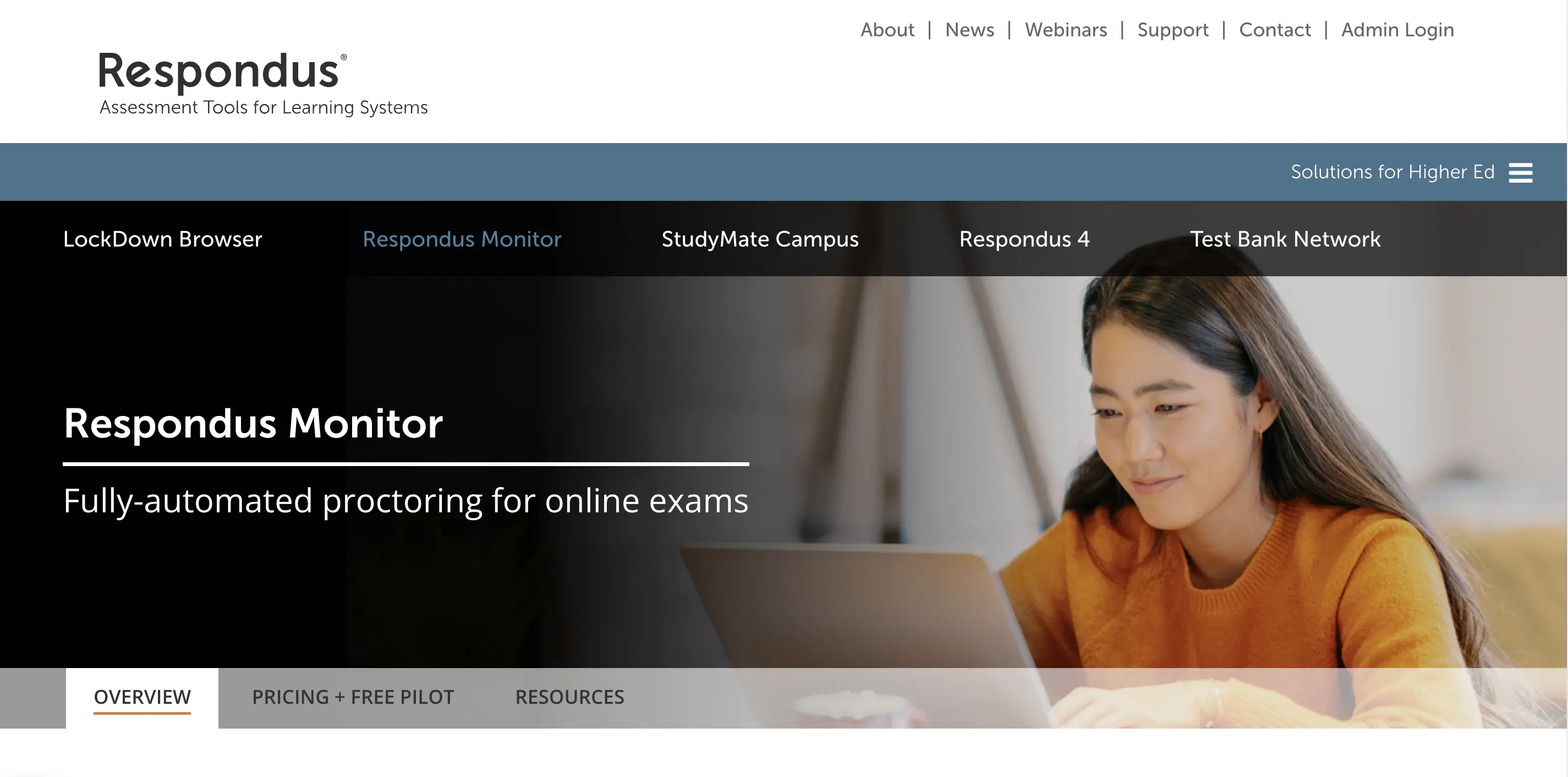
Respondus Monitor works with LockDown Browser to strengthen remote exam security. The system relies on AI-generated flags and recorded video for post-exam analysis. Institutions already using Respondus products often extend into this solution.
Key Features
Webcam video monitoring during exams
Automated alerts highlighting suspicious moments
Tight linkage with LockDown Browser controls
Tools for instructor-led review after completion
Integrations
Learning management systems
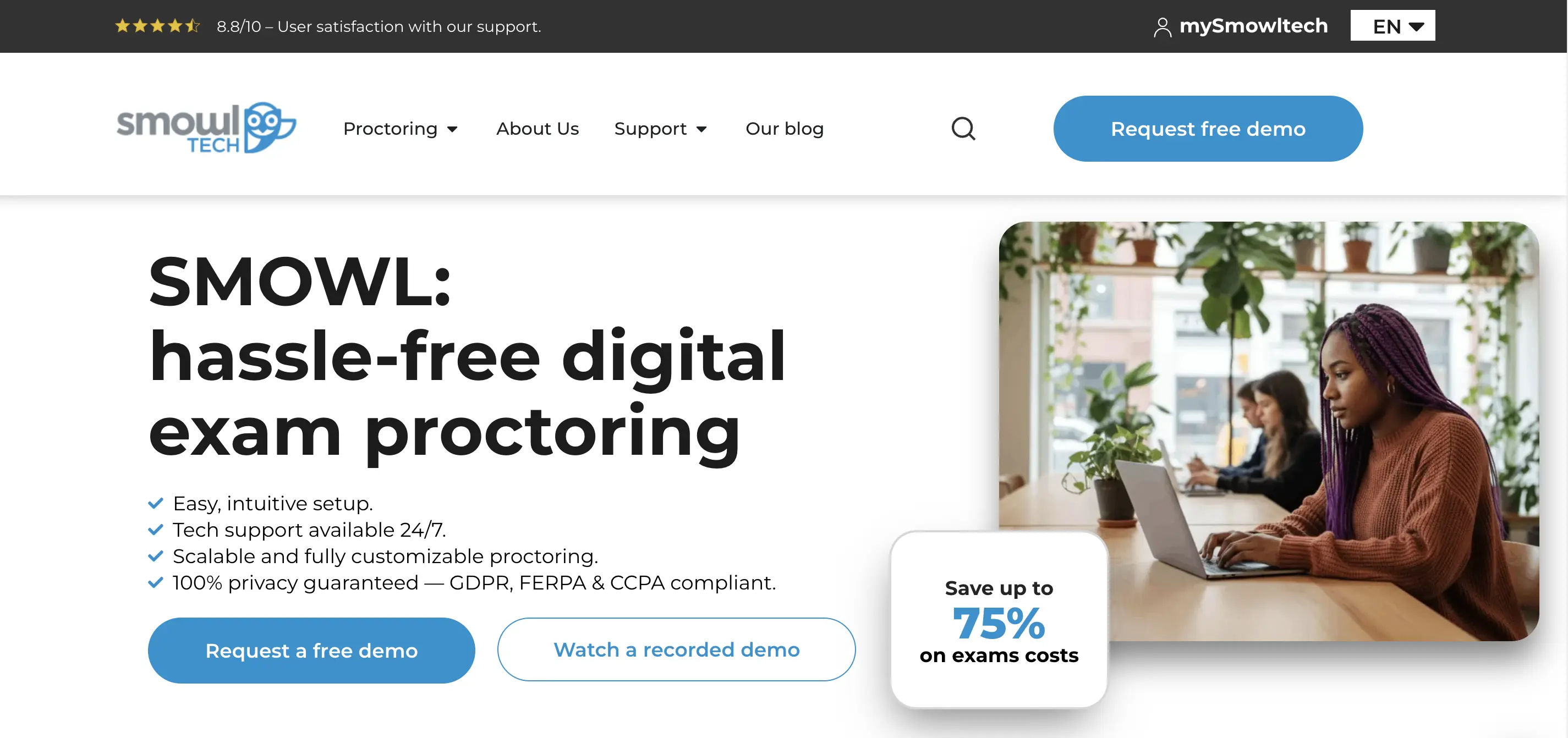
9. SMOWL
SMOWL is a European proctoring provider that emphasizes identity verification and continuous authentication. It is often selected by organizations with strict privacy or compliance considerations. Monitoring is automated and runs throughout the testing experience.
Key Features
Secure identity validation before participation
Continuous user authentication during exams
AI-based supervision and behavior analysis
Privacy-aligned monitoring workflows
Integrations
LMS and digital exam tools
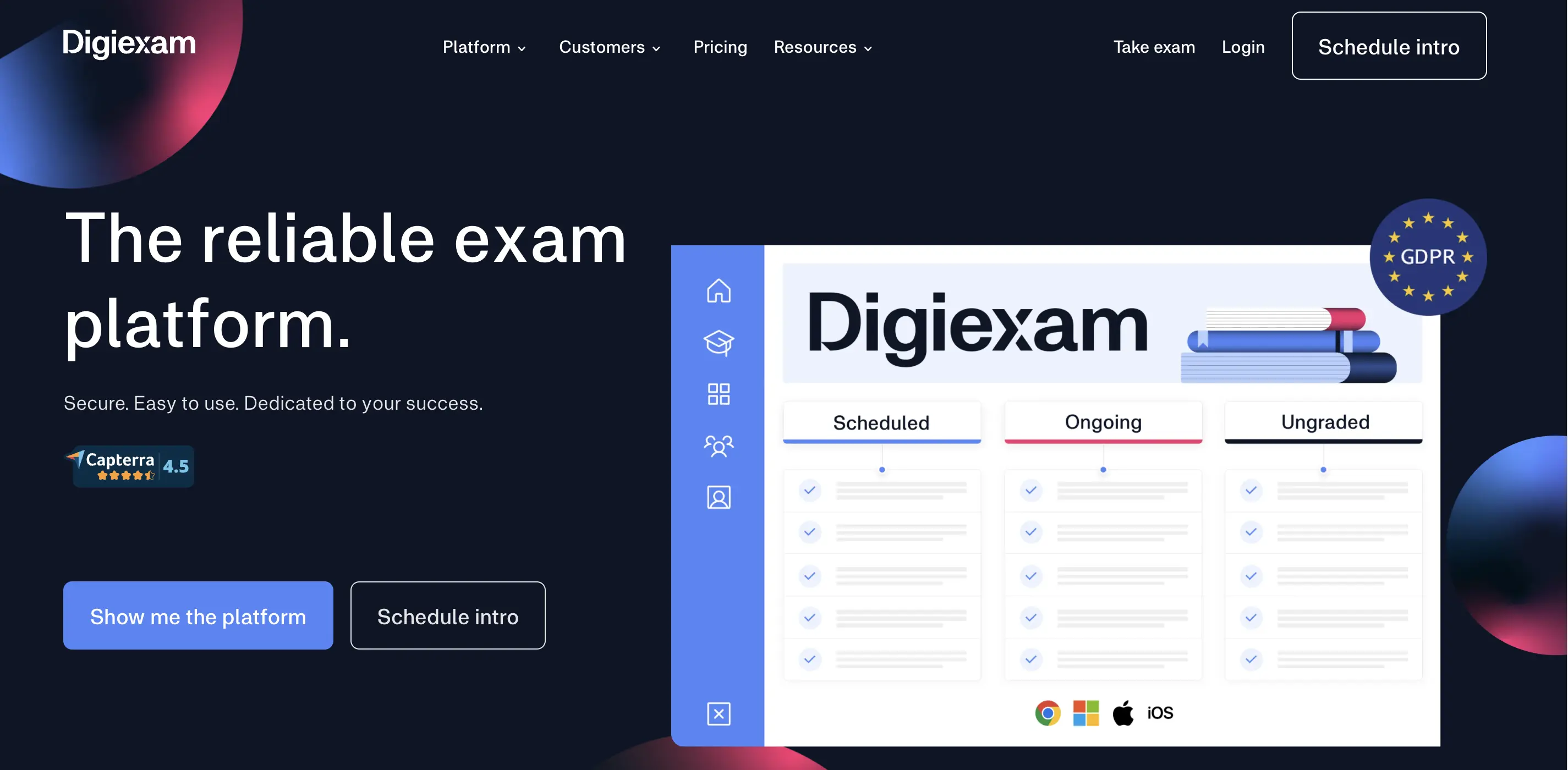
10. Digiexam
Digiexam primarily focuses on digital exam delivery with built-in integrity protections. It supports institutions moving from paper-based testing to computer-based formats. Reliability and structured exam control are central to the platform.
Key Features
Locked and secure digital exam environments
Offline support in unstable connectivity situations
Integrated safeguards against misconduct
Controlled distribution and submission flows
Integrations
Academic systems
11. YouTestMe
YouTestMe combines assessment delivery, certification management, and remote proctoring. It is frequently used in professional training and compliance-heavy sectors. Organizations rely on it for both testing and credential administration.
Key Features
Candidate authentication across exam stages
Remote supervision and monitoring tools
End-to-end certification workflow management
Performance tracking and analytics
Integrations
Enterprise platforms
12. TestWe
TestWe enables remote invigilation supported by identity checks and complete session recording. Faculty or administrators can review flagged events after the exam concludes. It is commonly adopted in universities with distributed learners.
Key Features
Continuous video capture of exam sessions
Identity validation prior to testing
Post-exam flag analysis capabilities
Secure storage of assessment data
Integrations
LMS platforms
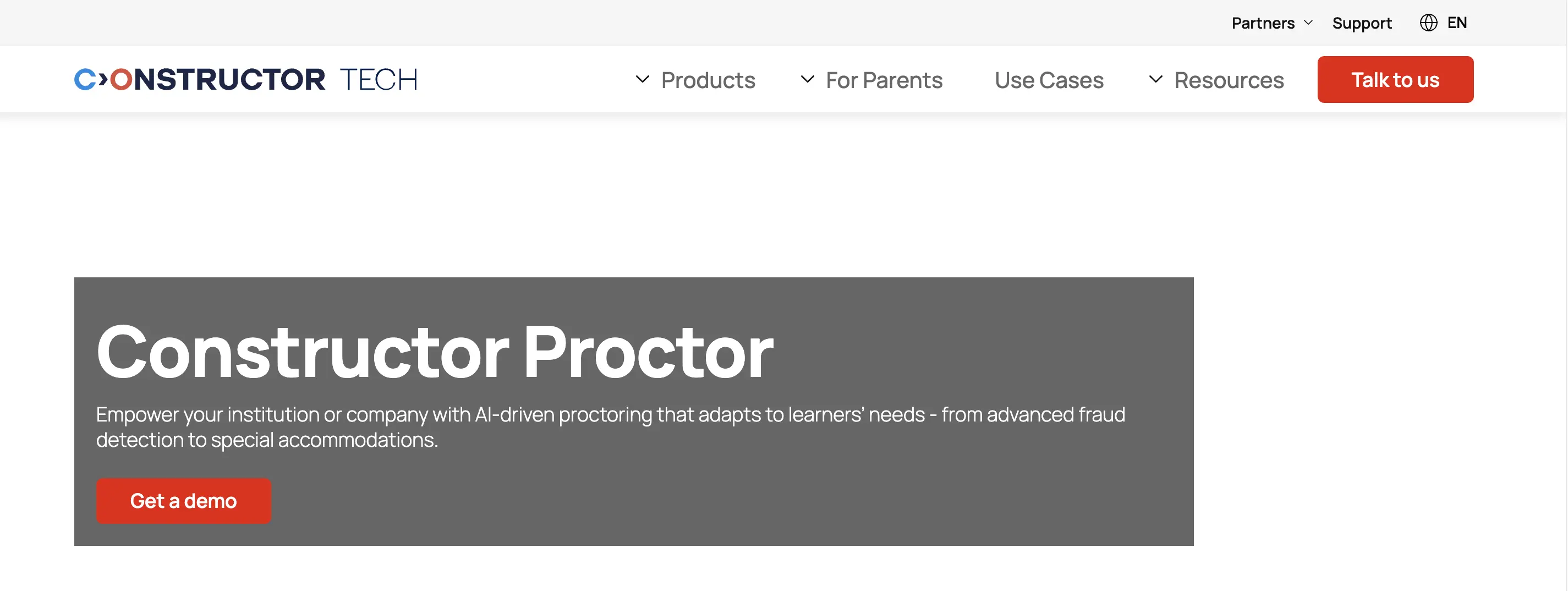
13. Constructor Proctor
Constructor Proctor offers AI-based monitoring to help institutions supervise exams remotely. It is designed to reduce logistical overhead while still providing visibility into risk signals. The system supports scalable deployments across programs.
Key Features
Automated AI supervision of candidates
Incident tracking with structured reports
Intelligent flagging of anomalies
Infrastructure built for scale
Integrations
Learning systems
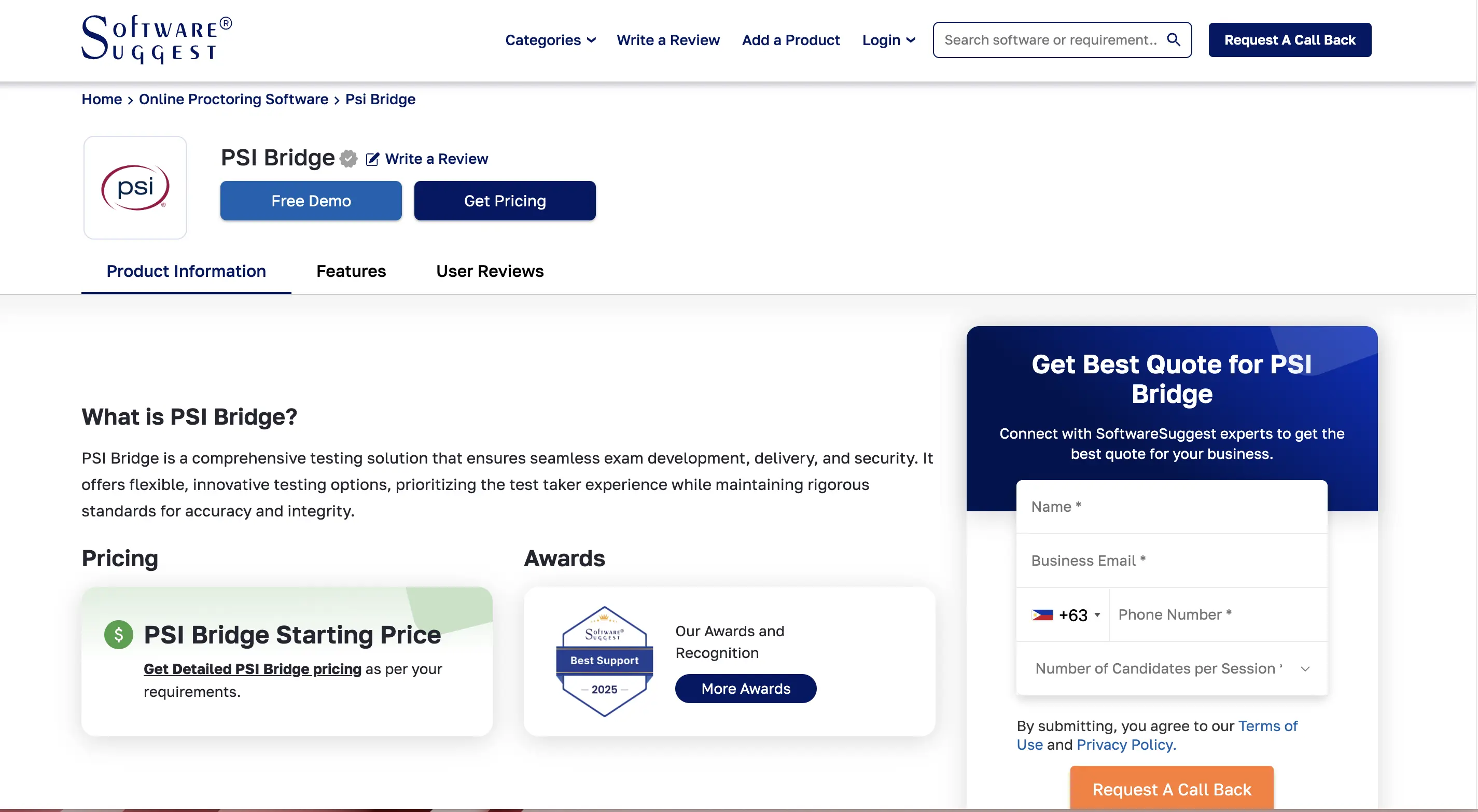
14. PSI Bridge
PSI Bridge targets professional licensure and regulatory examinations. The platform emphasizes compliance, defensibility, and standardized delivery. Many governing bodies use it for high-stakes credentials.
Key Features
Secure digital exam administration
Built-in compliance and policy frameworks
Strong identity assurance processes
Audit-ready documentation and records
Integrations
Credentialing ecosystems
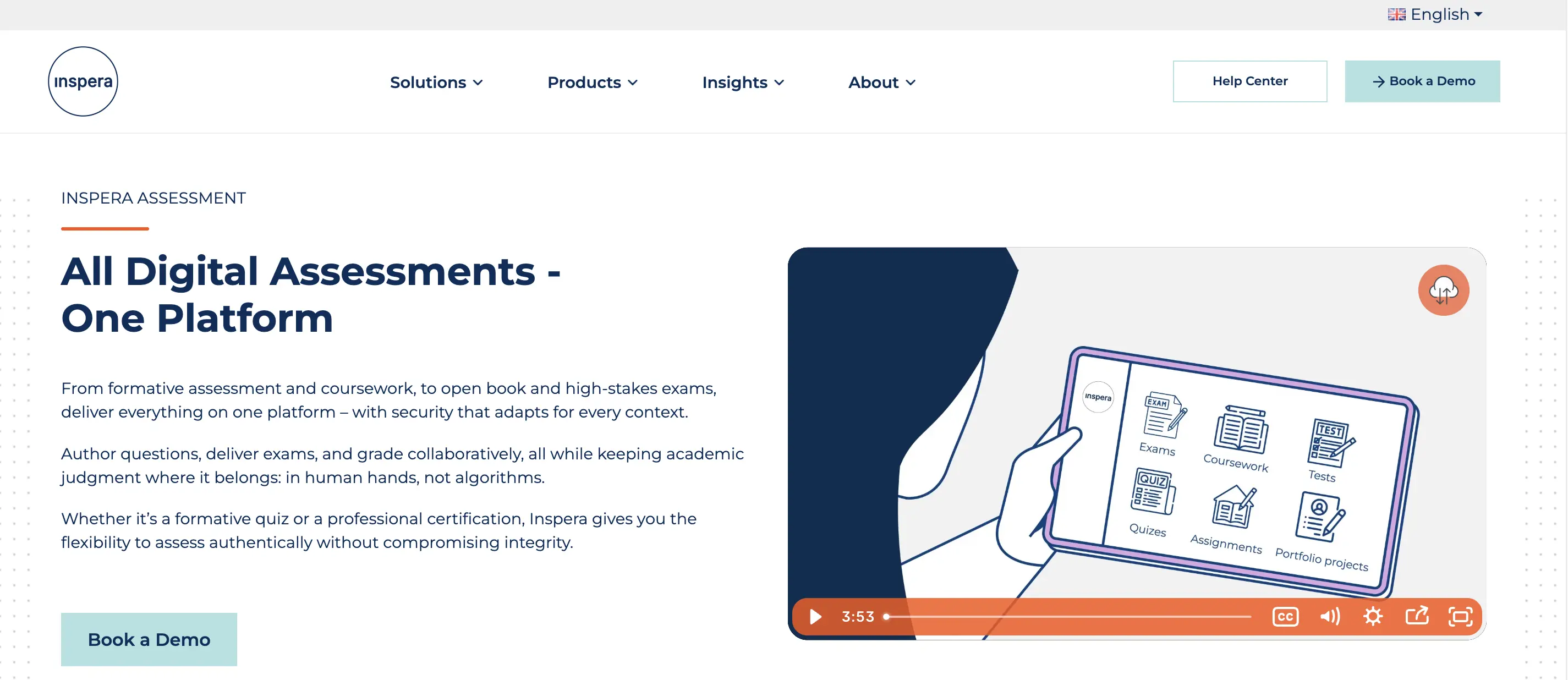
15. Inspera Assessment
Inspera provides a comprehensive digital assessment lifecycle from creation to grading. Remote invigilation is integrated into a larger modernization effort for institutions. Universities adopt it to centralize and scale evaluation processes.
Key Features
End-to-end management of assessments
Integrated remote supervision tools
Digital grading and feedback workflows
Centralized operational administration
Integrations
Education technology stacks
➡ Mistakes to Avoid When Evaluating Proctoring Platforms
Switching from Proctorio or any legacy system can feel overwhelming. Many teams rush the decision and later discover gaps that affect security, usability, or scalability. Understanding these common mistakes can help you avoid costly surprises.
1. Focusing only on surveillance
Video recording by itself rarely tells the full story. Modern misconduct often happens through subtle behaviors, external devices, or AI generated support that may not be obvious on camera.
2. Forgetting the recruiter or faculty workflow
If staff must jump across tools, download files, or interpret raw footage, adoption drops and review quality suffers.
3. Creating unnecessary stress for candidates
Complex installations and aggressive restrictions can damage trust and lead to complaints, even from honest participants.
4. Assuming more flags equal better protection
Large volumes of alerts without prioritization can overwhelm reviewers. What matters is meaningful, explainable risk.
5. Treating compliance as an afterthought
Data handling, consent, and regional regulations must align with institutional policies from day one.
6. Evaluating vendors on price alone
A low upfront cost can become expensive if fraud goes undetected or decisions are challenged later.
➡ Choosing a Proctoring Solution That Fits Your Needs
Different environments require different types of protection. Before selecting a vendor, define what success looks like for your organization and where risk would be most damaging.
1. Universities and large academic programs
Ability to handle large candidate volumes simultaneously
Stable integrations with LMS platforms
Automated review workflows to reduce faculty workload
Fairness and accessibility for diverse student populations
Clear audit trails for academic appeals
2. Recruiting and talent acquisition teams
Fast insights that support hiring decisions
Minimal setup for interviewers and candidates
Detection of impersonation or external help
Easy sharing of integrity data with hiring managers
Fits naturally into existing recruiting workflows
3. Professional certification providers
Strong identity verification
Repeatable and defensible processes
Detailed reporting for compliance
Secure exam environments
Long term record retention
4. Training companies and bootcamps
Frictionless candidate experience
Simple onboarding with limited technical barriers
Reliable monitoring without heavy infrastructure
Scalable delivery across cohorts
Balance between trust and usability
5. Highly sensitive roles or evaluations
Advanced authenticity analysis
Ability to surface subtle behavioral risk
Real time visibility for decision makers
Evidence backed reporting
Confidence that results reflect true capability
Read More: Securing Remote Interviews Against AI Assistance with Sherlock AI
Conclusion: Protecting Authenticity in a Remote First World
Technology has transformed remote testing, and expectations around integrity have evolved with it. Solutions that once felt advanced may now struggle to keep up with sophisticated assistance methods and changing privacy norms.
Choosing the right platform means looking beyond basic supervision. Decision makers should seek tools that provide clear insight, fit existing operations, and support fair treatment for every candidate.
Modern environments often require more than recordings or rule enforcement. They demand intelligence that helps teams understand authenticity in real time. Platforms such as Sherlock AI, which analyze behavioral patterns, detect hidden assistance, and operate without disrupting the interview experience, are redefining what confidence in remote evaluation looks like.
A thoughtful evaluation today helps prevent disputes, protects reputations, and builds long term trust in outcomes.