Back to all blogs
Discover the top CodeSignal alternatives for 2026. Compare leading proctoring platforms that prevent AI cheating, proxy interviews, and impersonation in remote technical hiring.

Abhishek Kaushik
Feb 19, 2026

Remote technical hiring has changed dramatically. Recruiters are no longer just evaluating coding ability; they must also verify who is actually taking the test and whether outside assistance, AI tools, or proxy candidates are involved.
Platforms like CodeSignal helped standardize online coding assessments, but many hiring teams now need deeper visibility, stronger identity validation, and real-time fraud prevention.
This is where modern proctoring-first platforms stand out.
Today’s candidates may have access to generative AI, hidden communication channels, remote desktops, or off-camera collaborators. Traditional safeguards such as webcam snapshots or browser restrictions often fail to capture these sophisticated behaviors. A recent industry analysis highlights the growing threat of AI-powered identity deception in recruitment, including deepfake video, voice cloning and real-time fraud during interviews.
To make confident hiring decisions, organizations require continuous monitoring, behavioral intelligence, and instant risk alerts that work seamlessly within live interview workflows. The goal is not only to detect cheating but to create a trusted environment where genuine talent can stand out.
Top 10 CodeSignal Proctoring Alternatives in 2026
In this guide, we compare the best CodeSignal alternatives for secure technical hiring, focusing on AI malpractice detection, behavioral monitoring, and enterprise-grade integrity controls.
1. Sherlock AI
Sherlock AI is purpose-built to protect remote interviews from AI assistance, impersonation, and organized fraud. While many platforms add surface-level monitoring, Sherlock AI provides a dedicated integrity infrastructure that operates continuously before, during, and after the live interview.
It connects with existing interview workflows and generates real-time trust signals so recruiters and hiring panels can confidently determine whether a candidate’s performance is authentic.

Key Features
Real-time AI assistance detection that identifies use of generative AI, hidden overlays, virtual machines, or remote help during interviews
Continuous identity verification across the entire session instead of a one-time pre-check
Facial biometrics and voiceprint analysis to prevent proxy interviewing
Advanced gaze and head-pose tracking to highlight off-screen consultation while questions are being answered
Keyboard and interaction pattern monitoring to surface abnormal behavior during live problem solving
Detection of secondary devices such as phones or additional monitors in the interview environment
Environmental risk analysis to identify background prompting or whisper coaching
Instant live alerts that enable interviewers or moderators to intervene immediately
Dynamic integrity scoring that updates as the interview progresses
Detailed post-interview forensic reports with timelines of suspicious moments
Anomaly playback that lets reviewers jump directly to flagged segments of the conversation
Seamless integration with video interview platforms, technical interview tools, and ATS systems
No heavy installation or complicated setup for candidates joining interviews
Recruiter dashboards for side-by-side integrity comparison across interviewees
Enterprise-grade data security and privacy controls suitable for recorded interviews
Scalable architecture built for high-volume interview scheduling across regions
Designed specifically for AI-era interview threats rather than legacy exam cheating
Continuous model updates to adapt to emerging real-time assistance techniques
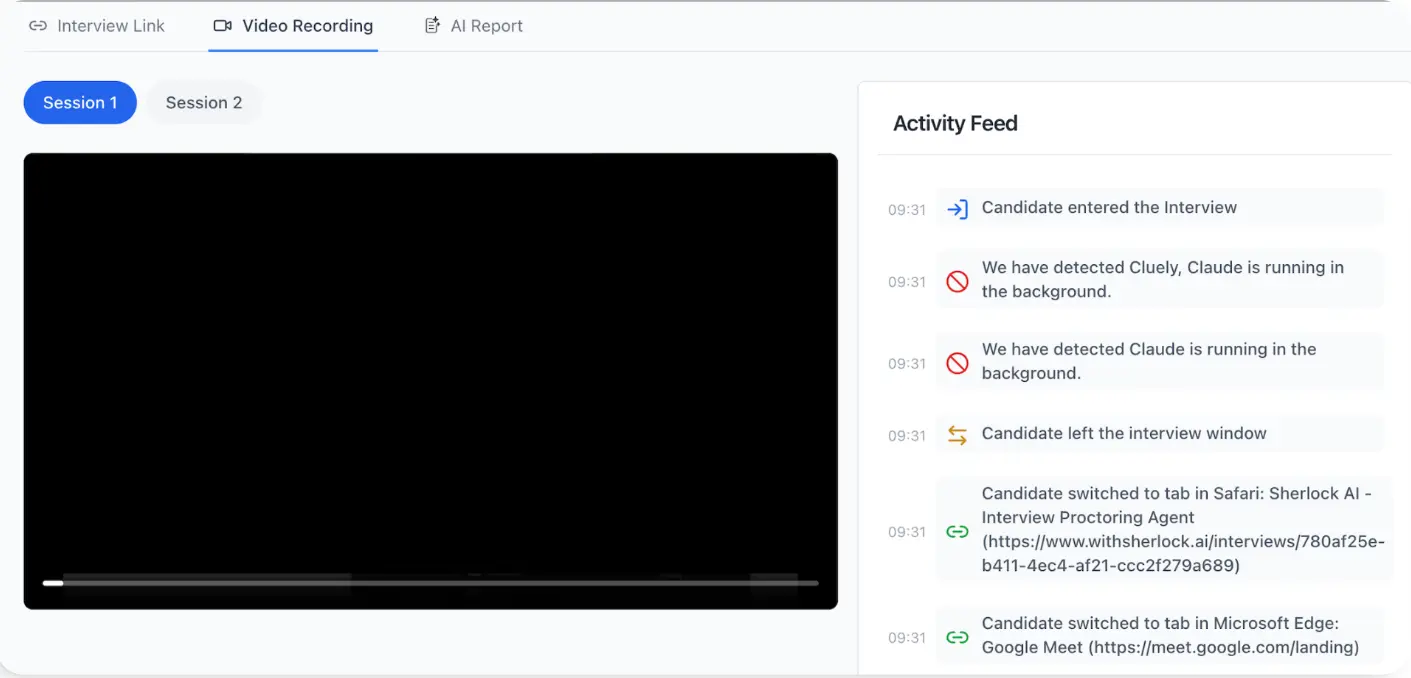
By combining identity verification, behavioral intelligence, and live risk visibility, Sherlock AI enables hiring teams to trust what they see in remote interviews. Interviewers no longer need to divide attention between evaluating answers and watching for misconduct. Instead, they receive objective integrity signals that confirm whether the candidate is truly responding on their own, allowing the conversation to stay focused on expertise, communication, and role fit.
Read more: How Sherlock AI Detects AI Interview Cheating in Remote Hiring
2. HackerRank
HackerRank is a widely adopted developer assessment and interview platform used by enterprises to evaluate coding, problem solving, and domain skills. It provides structured challenges, automated grading, and remote interview environments designed for scale.
While HackerRank includes proctoring and plagiarism controls, its primary strength remains standardized testing and a vast content library rather than deep behavioral fraud detection.
Key Features
Webcam monitoring with image capture during assessments
Tab switch and copy paste detection to flag suspicious behavior
Large question library across programming languages and roles
Automated scoring and benchmarking for faster decisions
Code similarity engine to identify potential plagiarism
3. iMocha
iMocha is an AI-driven skills intelligence and assessment platform that supports technical hiring across a wide range of roles. It offers thousands of pre-built tests along with configurable proctoring layers for remote environments.
The platform is popular among enterprises that want deep skill taxonomy mapping combined with automated evaluation and monitoring.
Key Features
Extensive library of technical and functional skill assessments
AI-based proctoring with webcam, audio, and screen monitoring
Identity verification through photo capture and candidate authentication
Browser activity restrictions to reduce external assistance
Advanced analytics and benchmarking for workforce planning
👉 Looking for something beyond iMocha? Check out these iMocha alternatives.
4. Coderbyte
Coderbyte is a technical screening and live interview platform designed to help companies quickly evaluate developer skills. It combines pre-built challenges with collaborative interview environments, making it useful for both early-stage filtering and real-time evaluation.
The platform focuses on simplicity and speed while offering baseline integrity mechanisms for remote hiring.
Key Features
Pre-built coding challenges and customizable assessments
Live collaborative coding interview environment
Plagiarism detection across candidate submissions
Candidate playback and submission history for review
Integrated reporting for streamlined hiring workflows
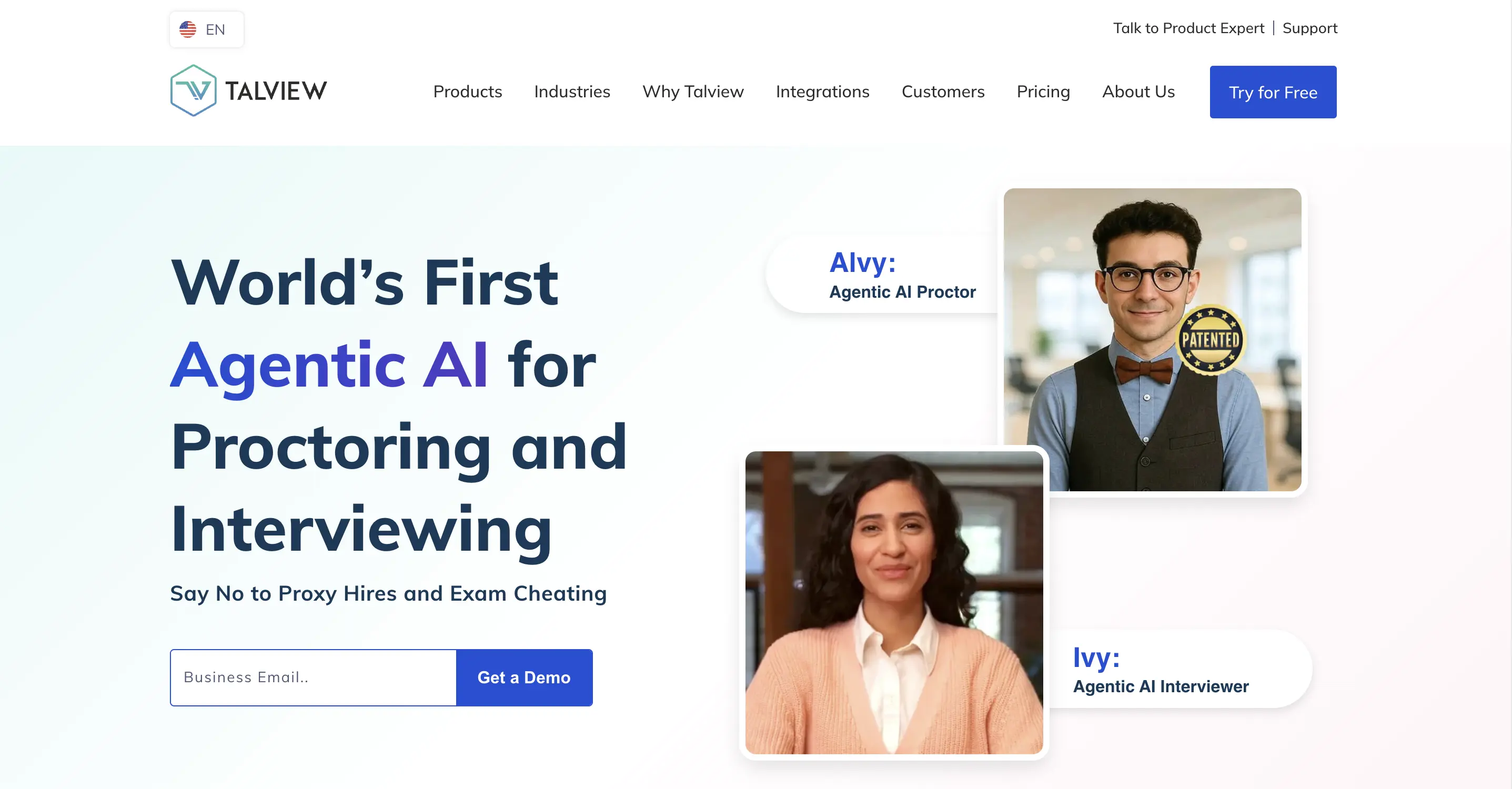
5. Talview
Talview is an end-to-end hiring and proctoring platform that combines video interviewing, assessments, and remote monitoring capabilities. It is widely used for large-scale recruitment where automation and candidate management are critical.
The system emphasizes AI-driven identity verification and scalable proctoring across global hiring operations.
Key Features
AI and human proctoring options for different risk levels
Automated identity verification and candidate authentication
Video interview recording with review and sharing tools
Live and asynchronous assessment support
Real-time monitoring with flag generation for recruiters
👉 Compare top Talview alternatives
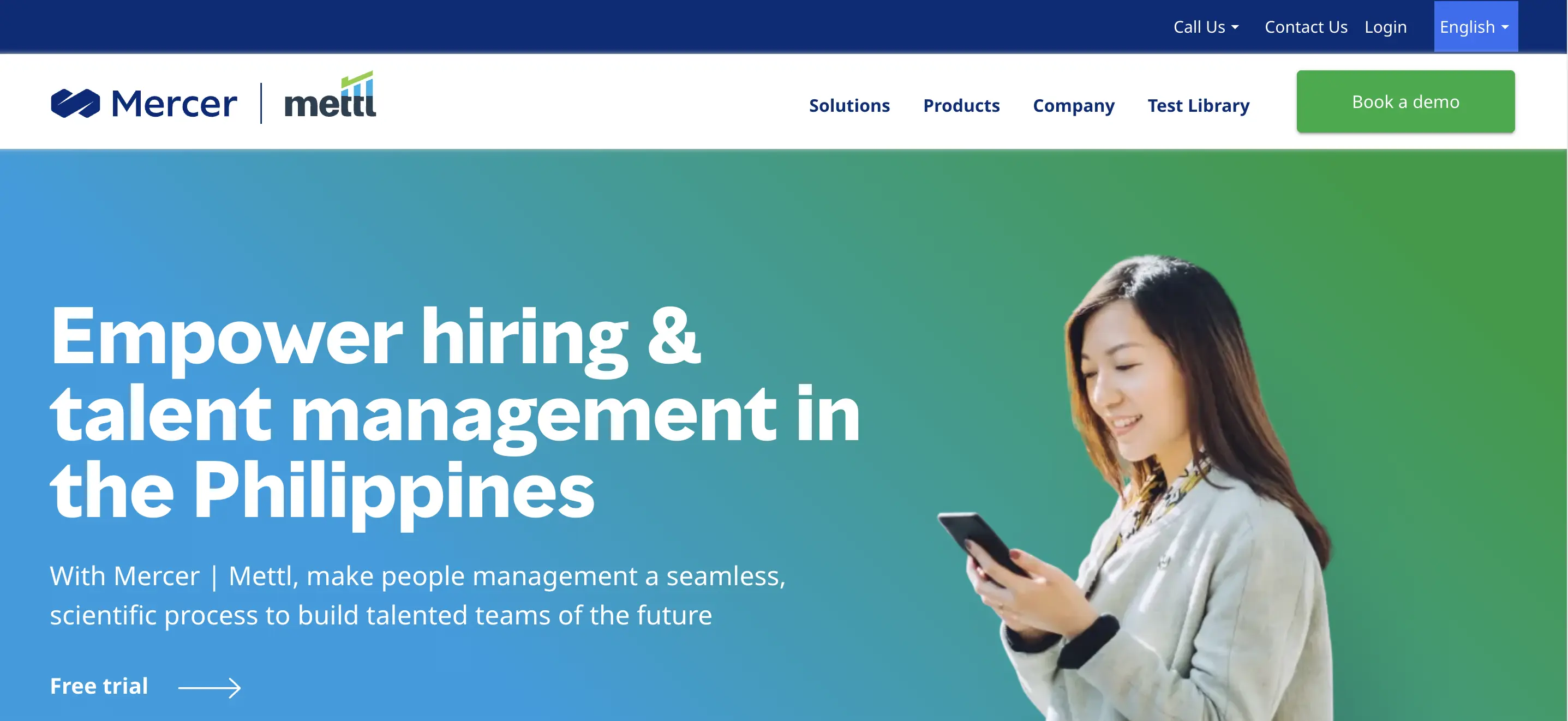
6. Mercer Mettl
Mercer Mettl is an enterprise-focused assessment platform known for its large test catalog and flexible proctoring configurations. It supports academic, certification, and corporate hiring use cases, offering multiple layers of monitoring depending on exam sensitivity.
Organizations often choose it for its scalability and global delivery infrastructure.
Key Features
Multiple proctoring modes including AI and live invigilation
Extensive assessment library across technical and non-technical skills
Identity authentication and environment validation
Browser lockdown and screen activity monitoring
Detailed audit trails and compliance-ready reports
7. DevSkiller
DevSkiller provides technical assessments using its RealLifeTesting methodology, which focuses on evaluating candidates through practical tasks rather than theoretical quizzes. The platform delivers coding environments that simulate real job scenarios.
It is commonly used by companies that want deeper insight into how developers perform in realistic workflows.
Key Features
Project-based assessments built around real-world tasks
Secure browser and controlled testing environments
Automated grading with recruiter review options
Collaboration tools for technical interview stages
Reporting dashboards with skill and performance insights
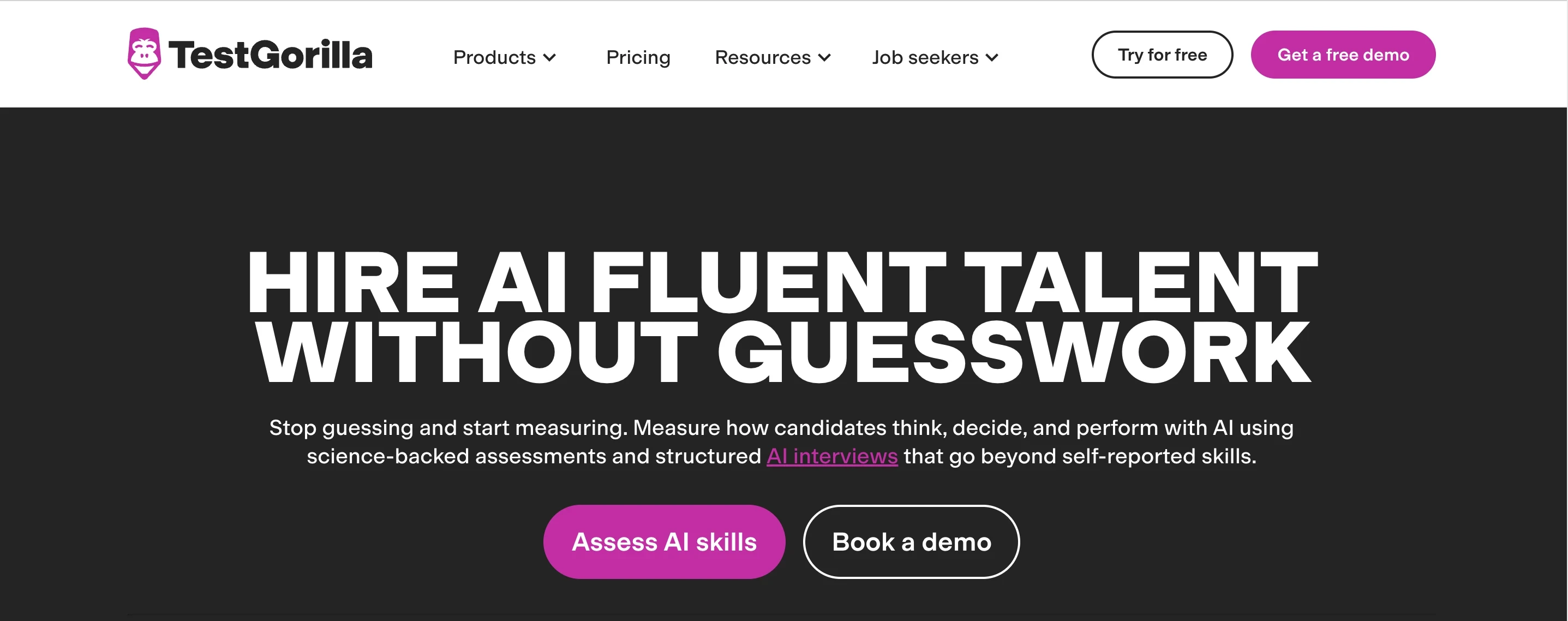
8. TestGorilla
TestGorilla is a pre-employment assessment platform that helps organizations screen candidates across cognitive ability, technical knowledge, and soft skills. It is often used for high-volume hiring where quick comparisons and structured filtering are important.
The platform combines a large test library with automated evaluation and remote monitoring capabilities.
Key Features
Extensive catalog of validated pre-employment tests
AI-enabled proctoring with webcam monitoring
Video response questions for deeper evaluation
Automated scoring and candidate ranking
Easy integration with applicant tracking systems
👉 Compare TestGorilla alternatives for secure hiring.
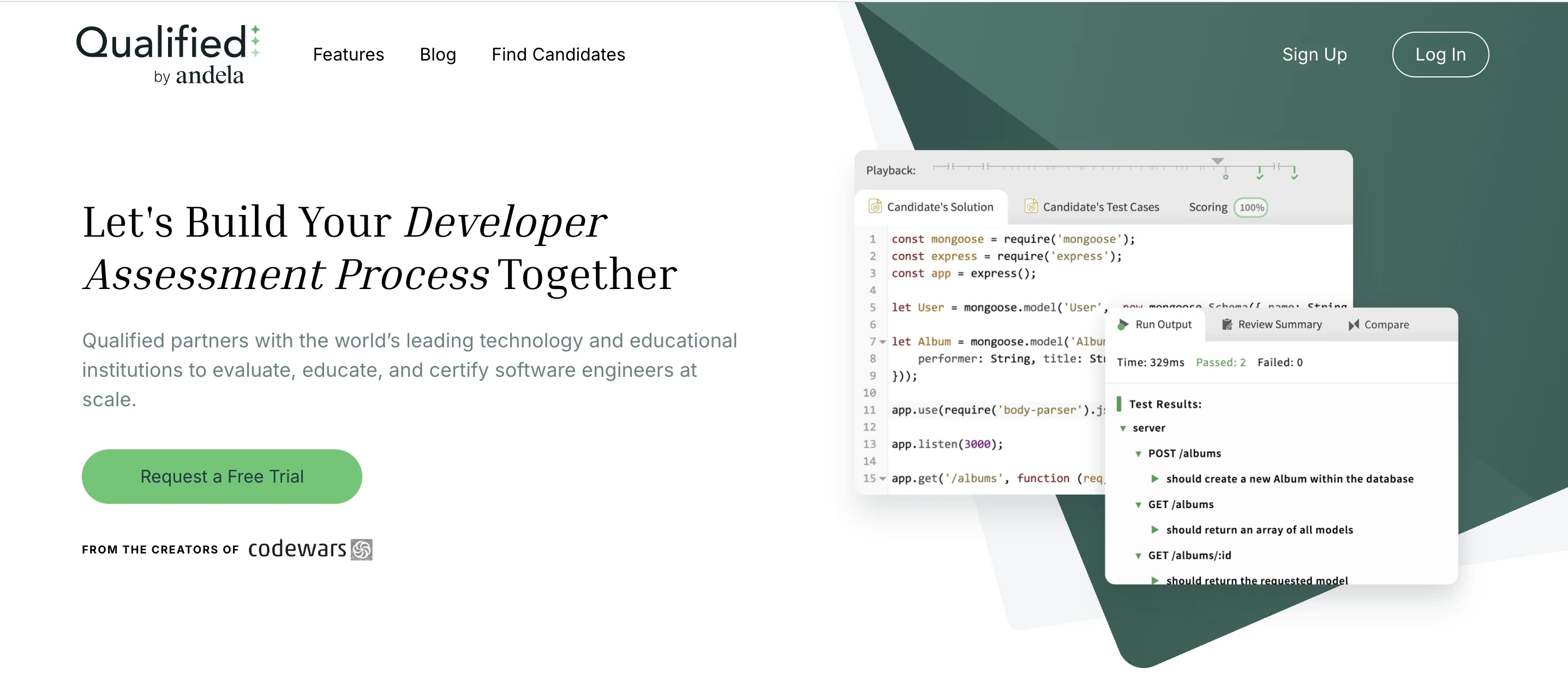
9. Qualified.io
Qualified.io specializes in project-based technical assessments that mirror real development workflows. Instead of short quizzes, candidates complete tasks in environments designed to reflect day-to-day engineering work.
This approach helps hiring teams evaluate practical ability while maintaining structured evaluation and integrity controls.
Key Features
Project-based coding challenges aligned to real job tasks
Built-in plagiarism and similarity detection
Support for multiple programming languages and frameworks
Automated evaluation combined with manual review options
Detailed candidate performance analytics
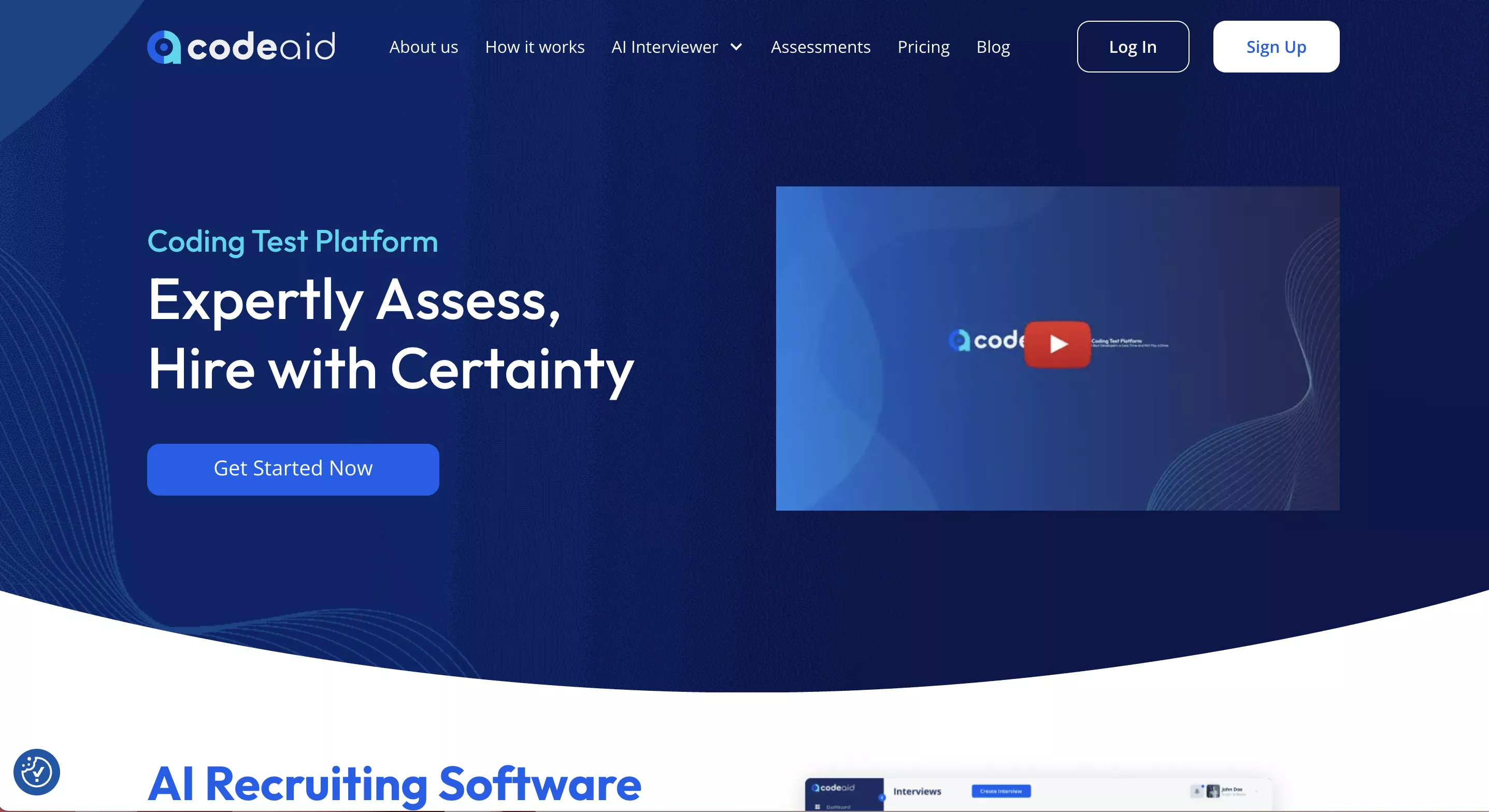
10. Codeaid
Codeaid offers a structured environment for conducting realistic, long-form coding evaluations. The platform is built to resemble real development workflows, allowing hiring teams to assess how candidates write, debug, and improve code over time.
It is typically chosen for deeper technical validation rather than quick screening.
Key Features
Git-based project environments for practical assessments
Anti-cheating protections and controlled access
Support for extended, take-home style challenges
Reviewer tools for code quality and structure evaluation
Workflow tracking across the entire submission lifecycle
Conclusion
Choosing the right alternative to CodeSignal is no longer just about question libraries or automated grading. In modern remote hiring, the bigger challenge is ensuring that the person answering is doing so without outside help.
While many platforms provide coding environments and basic monitoring, few are designed to confront AI-assisted fraud, proxy interviewing, and real-time collaboration risks head on. Recruiters need stronger visibility, faster intervention capabilities, and clear evidence they can trust after the interview ends.
Sherlock AI stands apart because it focuses specifically on protecting interview authenticity. With continuous identity verification, behavioral analysis, and live risk alerts, hiring teams can move from suspicion to certainty.
As remote and hybrid hiring continue to scale, organizations that prioritize interview integrity will make better decisions, reduce false positives, and build teams based on genuine talent rather than assisted performance.