Back to all blogs
Healthcare fraud is increasing worldwide, driving massive financial losses and weakening trust in care systems. Discover how to identify risks early and strengthen prevention with data-driven insights and modern compliance strategies.
Abhishek Kaushik
Jun 17, 2026
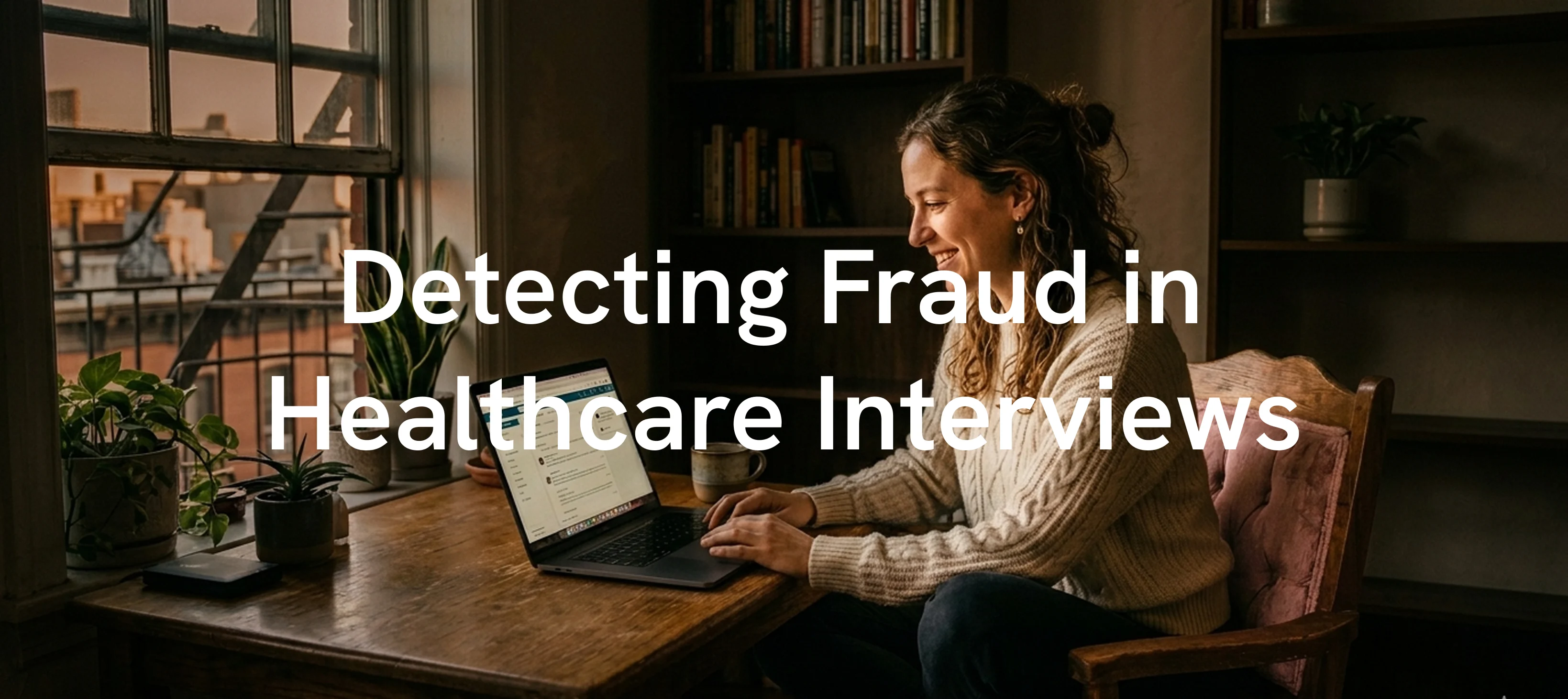
Healthcare fraud is no longer a hidden or occasional issue. It has evolved into a widespread and costly problem that affects healthcare organizations, insurers, and patients worldwide. According to The National Health Care Anti-Fraud Association (NHCAA) estimates that the financial losses due to health care fraud are in the tens of billions of dollars each year. A conservative estimate is 3% of total health care expenditures, while some government and law enforcement agencies place the loss as high as 10% of our annual health outlay, which could mean more than $300 billion.
In India and other rapidly digitizing healthcare markets, the risk is growing even faster. Over 71% of Indian organizations, including healthcare providers, reported a rise in AI-linked phishing or ransomware attempts in 2025, with 66% encountering deepfake-enabled scams, AI-generated audio or video impersonations.
The shift toward digital health systems, telemedicine, and remote consultations has expanded access to care but has also opened new avenues for fraud. From fake insurance claims to collusion between providers and patients, fraud schemes have become more sophisticated and harder to detect using traditional methods. Organizations are no longer just dealing with isolated incidents but with coordinated and technology-enabled fraud networks.
While emerging technologies like artificial intelligence and data analytics are playing a key role in identifying suspicious patterns, one critical area is often overlooked: the interview process. Interviews are not just for hiring anymore. They are powerful tools for uncovering inconsistencies, validating claims, and detecting fraudulent intent within healthcare organizations.
This is where structured interviewing techniques become essential. When combined with intelligent tools like Sherlock AI, organizations can go beyond surface-level responses and identify behavioral signals, inconsistencies, and even the use of AI-assisted cheating during interviews. This ensures that candidates and internal stakeholders are evaluated based on genuine knowledge and integrity.
In this blog, we will explore how effective interviewing techniques can help healthcare organizations detect fraud, strengthen compliance, and build a more trustworthy workforce.
Understanding Healthcare Fraud: A Growing Challenge
Healthcare fraud is not a single, easily identifiable issue. It is a complex and evolving challenge that impacts every layer of the healthcare ecosystem, from hospitals and insurance providers to administrative staff and patients. To effectively detect fraud through interviews, organizations must first understand what healthcare fraud actually looks like in practice.
What is Healthcare Fraud?
Healthcare fraud refers to intentional deception or misrepresentation made by an individual or organization to gain unauthorized financial or professional benefits. Unlike errors or administrative mistakes, fraud involves deliberate actions designed to exploit system loopholes.
It is important to distinguish between three commonly confused terms:
Error: Unintentional mistakes in billing or documentation
Abuse: Practices that are inconsistent with accepted standards but not necessarily intentional fraud
Fraud: Deliberate deception for financial gain
This distinction is critical during interviews because candidates involved in fraudulent activities often attempt to disguise intentional actions as simple errors.
Why Healthcare Fraud is Increasing
The rise in healthcare fraud is closely linked to several industry shifts:
1. Rapid Digital Transformation
Electronic Health Records, telemedicine, and online claims processing have made healthcare more efficient. However, they have also created new entry points for fraud. Digital systems can be manipulated if proper controls are not in place.
2. High Volume of Transactions
Healthcare organizations process thousands of claims daily. This volume makes it difficult to manually verify every transaction, allowing fraudulent activities to go unnoticed.
3. Complex Billing Systems
Medical coding and billing are highly complex. Fraudsters exploit this complexity to inflate claims, duplicate charges, or bill for services not provided.
4. Insider Threats
Not all fraud comes from external actors. Employees, contractors, or even healthcare professionals may misuse their access to commit fraud. This makes interviewing and screening even more critical.
The Real Impact of Healthcare Fraud
Healthcare fraud goes beyond financial losses. It directly affects:
Patient trust: Fraudulent practices damage the credibility of healthcare institutions
Quality of care: Resources are diverted away from genuine patient needs
Operational efficiency: Investigations and compliance efforts increase costs and slow down processes
Legal and compliance risks: Organizations face penalties, lawsuits, and reputational damage
Where Interviews Fit into Fraud Detection
Most organizations rely heavily on audits, analytics, and compliance systems to detect fraud. While these are essential, they often identify fraud after it has already occurred.
Interviews, on the other hand, offer a proactive approach.
Through structured and strategic questioning, interviewers can:
Identify inconsistencies in candidate responses
Detect behavioral red flags
Validate real-world knowledge versus rehearsed answers
Uncover gaps between experience and actual expertise
When supported by tools like Sherlock AI, interviews become even more powerful. Advanced detection capabilities can identify AI-assisted responses, external help, and unnatural answer patterns, ensuring that candidates demonstrate genuine skills and integrity.
This foundational understanding sets the stage for identifying specific fraud patterns.
Common Types of Healthcare Fraud to Watch For
Healthcare fraud is not always obvious. It often hides behind routine operations, making it difficult to detect without a clear understanding of how different fraud schemes actually work. For interviewers and compliance teams, recognizing these patterns is essential because each type of fraud reveals itself through specific behaviors, decision-making gaps, and inconsistencies in explanations.
Below are the most critical types of healthcare fraud that organizations should actively watch for, especially during interviews and internal assessments.
1. Fabricated Services and False Claims
This type of fraud occurs when services are recorded and billed despite never being delivered. It is one of the easiest schemes to execute but also one of the hardest to trace without strong validation processes.
In interviews, individuals involved in such practices often struggle to clearly explain how service delivery is tracked or verified. Their responses may lack detail or rely heavily on assumptions rather than actual controls.
2. Inflated Treatment Reporting
Instead of billing for what was actually done, some providers exaggerate the complexity or duration of treatments to justify higher reimbursements.
This type of fraud usually reflects a mindset where financial outcomes are prioritized over accuracy. During interviews, this can surface when candidates justify “rounding up” or treating documentation as flexible rather than precise.
3. Fragmented Billing Practices
In some cases, a single procedure is broken into multiple billable components to maximize payouts. While it may appear operational on the surface, it often signals intentional manipulation of billing structures.
Candidates familiar with such practices may describe workflows in a way that normalizes unnecessary breakdowns of services without clear justification.
4. Unjustified Medical Interventions
Fraud is not always financial on paper. It can also involve recommending or performing procedures that are not medically necessary.
This type of behavior is often driven by incentives or systemic pressure. During interviews, it becomes visible when individuals focus more on volume or targets rather than patient outcomes and clinical reasoning.
5. Identity and Access Misuse
Unauthorized use of patient or provider identities is a growing concern, especially in digitally connected healthcare systems.
This can include accessing records without proper authorization or using someone else's credentials to perform actions within the system.
Interview responses may reveal weak awareness of access controls or a casual attitude toward data privacy, both of which are strong indicators of risk.
6. Duplicate and Repeated Claims
Submitting the same claim multiple times or slightly modifying it to avoid detection is another common tactic.
This often indicates gaps in internal controls or deliberate exploitation of system weaknesses. In interviews, individuals may be unable to explain how duplication is prevented or detected.
7. Financially Motivated Referrals
When decisions about patient care are influenced by financial relationships rather than clinical need, it creates both ethical and legal risks.
People involved in such systems often rationalize these decisions as industry norms. This mindset can be uncovered through scenario-based interview questions that test ethical judgment.
8. Manipulation of Documentation
Altering records, adjusting dates, or modifying details to align with billing requirements is a subtle but serious form of fraud.
This behavior is often revealed during interviews when candidates cannot clearly explain documentation workflows or when their answers show inconsistencies in process ownership.
9. Misrepresentation in Reporting
Fraud can also occur at the reporting level, where financial or operational data is adjusted to meet targets or secure benefits.
This type of fraud is harder to detect because it often involves higher-level roles. Interviews should focus on accountability, validation processes, and transparency in reporting.
Each of these fraud types reflects a deeper issue, whether it is lack of knowledge, weak controls, or intentional misconduct. Interviews provide a unique opportunity to uncover these risks before they escalate.
Key Strategies for Effective Healthcare Fraud Detection
Detecting fraud in healthcare organizations requires more than awareness of fraud types. It demands a structured, proactive strategy that combines people, processes, and technology. While many organizations invest heavily in analytics and compliance systems, they often overlook one of the most powerful tools available to them: strategic interviewing.
In this section, we will explore key strategies that strengthen fraud detection efforts, with a strong focus on how interviewing techniques can be embedded into each layer.
1. Move from Reactive to Proactive Detection
Many healthcare organizations still rely on audits and post-claim reviews to identify fraud. By the time fraud is detected, financial and reputational damage has often already occurred.
A proactive approach focuses on early detection through:
Pre-hiring interviews
Internal mobility assessments
Vendor and partner screening
Continuous compliance conversations
Interviews conducted at these stages can uncover intent, ethical judgment, and behavioral patterns before risks materialize.
Strategic Shift:
Do not wait for anomalies in data. Identify risk signals in conversations first.
2. Implement Structured Interview Frameworks
Unstructured interviews often lead to inconsistent evaluations and missed red flags. A structured framework ensures that every candidate or employee is assessed against the same criteria.
What this includes:
Predefined fraud-related competencies
Standardized questions across roles
Scoring systems for responses
Follow-up probes based on answers
Structured interviews make it easier to compare responses and detect inconsistencies, especially when multiple interviewers are involved.
3. Use Scenario-Based and Behavioral Questioning
Fraud is closely tied to decision-making under pressure. Scenario-based questions allow interviewers to evaluate how individuals think and act in realistic situations.
Examples of scenarios to include:
Handling pressure to increase billing revenue
Responding to suspicious claims
Managing conflicts between compliance and targets
Behavioral questions, on the other hand, focus on past actions:
Describe a time you identified a compliance issue
Tell me about a situation where you had to challenge unethical behavior
These approaches provide deeper insights than theoretical questions.
4. Strengthen Internal Controls Through Interviews
Internal controls are often documented but not always followed in practice. Interviews can be used to validate whether controls are actually working.
How to apply this:
Ask employees to explain workflows step by step
Cross-check answers across teams
Identify gaps between policy and execution
This approach helps uncover hidden vulnerabilities that may not appear in system reports.
5. Integrate Technology with Human Intelligence
Technology plays a critical role in modern fraud detection, especially in analyzing large datasets and identifying anomalies. However, it cannot fully interpret intent or context.
This is where combining technology with interviewing becomes powerful.
Platforms like Sherlock AI enhance interviews by:
Detecting inconsistencies in candidate responses
Identifying potential use of AI copilots or external assistance
Highlighting unusual response patterns
Providing objective insights to support interviewer decisions
This integration ensures that interviews are not just subjective conversations but data-backed evaluations.
6. Build Cross-Functional Collaboration
Fraud detection is not the responsibility of a single department. It requires coordination between:
Compliance teams
HR and hiring managers
Finance departments
IT and data teams
Interviews can act as a bridge between these functions by collecting insights that are relevant across departments.
For example, HR may identify behavioral risks, while finance may validate process gaps, and compliance ensures regulatory alignment.
7. Continuously Train Interviewers
Even the best frameworks fail if interviewers are not trained to use them effectively.
Training should focus on:
Identifying behavioral red flags
Asking probing follow-up questions
Avoiding bias and assumptions
Understanding fraud typologies
Well-trained interviewers are more likely to detect subtle indicators that others might miss.
8. Create Feedback Loops and Continuous Improvement
Fraud detection strategies should evolve based on new risks and past incidents.
How to implement this:
Review interview outcomes regularly
Analyze cases where fraud was missed
Update question banks and frameworks
Incorporate learnings into future interviews
This ensures that the organization becomes stronger over time rather than repeating the same mistakes.
9. Align Fraud Detection with Organizational Culture
A strong compliance culture reduces the likelihood of fraud. Interviews play a key role in reinforcing this culture by:
Setting clear expectations during hiring
Evaluating ethical alignment
Encouraging transparency and accountability
When employees understand that integrity is actively assessed, they are less likely to engage in fraudulent behavior.
Interviewing Techniques for Detecting Fraud in Healthcare Organizations
Detecting fraud through interviews requires more than asking the right questions. It involves applying structured, evidence-based techniques that uncover intent, identify inconsistencies, and validate authenticity. In healthcare environments, where fraud can be subtle and high-stakes, these techniques become even more critical.
Below are the most effective interviewing techniques tailored specifically for fraud detection in healthcare organizations.
1. Structured Interviews for Consistency and Comparability
Structured interviews ensure that every candidate or employee is evaluated using the same set of questions and criteria. This reduces bias and makes it easier to identify unusual responses.
How to apply:
Use predefined fraud-related questions
Score responses based on clarity, depth, and consistency
Compare answers across candidates or teams
Why it works:
Fraud often reveals itself through inconsistency. A structured format makes those inconsistencies easier to spot.
2. Behavioral Interviewing to Uncover Past Actions
Behavioral interviewing is based on the idea that past behavior is the best predictor of future actions.
Technique:
Ask candidates to describe real situations they have faced.
Examples:
Tell me about a time you identified a discrepancy in billing
Describe a situation where you had to report unethical behavior
What to look for:
Specific details rather than vague answers
Clear ownership of actions
Logical sequence of events
People involved in fraudulent activities often struggle to provide consistent, detailed accounts.
3. Cognitive Interviewing for Deeper Recall
Cognitive interviewing encourages individuals to recall events in detail, often from multiple perspectives.
How it works:
Ask candidates to explain processes step by step
Request the same story in reverse order
Probe for sensory or contextual details
Why it matters:
Genuine experiences are easier to recall in depth, while fabricated stories tend to break under detailed questioning.
4. Scenario-Based Questioning to Test Judgment
Fraud is often driven by decisions made under pressure. Scenario-based questions simulate these situations.
Examples:
What would you do if you noticed a colleague altering claims?
How would you respond if management pressured you to increase billing?
What to evaluate:
Ethical reasoning
Decision-making process
Willingness to escalate issues
This technique helps assess not just knowledge, but integrity.
5. Forensic Interviewing Techniques
Forensic interviewing is more investigative and is often used in internal audits or fraud investigations.
Key methods:
Start with open-ended questions
Gradually move to more specific probes
Avoid leading questions
Observe verbal and non-verbal cues
Red flags include:
Evasive responses
Overly defensive behavior
Inconsistent timelines
This technique is particularly useful when there is already suspicion of fraud.
6. Cross-Verification and Layered Questioning
Fraud detection improves significantly when responses are validated across multiple questions or sources.
How to implement:
Ask similar questions in different ways
Cross-check answers with documented processes
Compare responses across team members
Why it works:
Inconsistent answers often indicate gaps in truthfulness or understanding.
7. Silence and Observation as a Technique
Silence can be a powerful tool in interviews. When interviewers pause after a response, candidates often provide additional information.
What to observe:
Changes in tone or pace
Hesitation or over-explanation
Attempts to fill silence with unnecessary details
These subtle cues can reveal discomfort or uncertainty.
8. Detecting Over-Rehearsed or Assisted Responses
With the rise of remote interviews, candidates may rely on external assistance or AI tools to generate answers.
This creates a new layer of fraud risk, especially in hiring.
Platforms like Sherlock AI help detect such behavior by:
Identifying unnatural response patterns
Flagging potential use of AI copilots
Highlighting inconsistencies across answers
This ensures that responses reflect genuine knowledge and not external support.
9. Documentation and Evidence-Based Evaluation
Every interview should be documented with clear reasoning behind decisions.
Best practices:
Record key responses
Note inconsistencies and red flags
Use scoring frameworks
This creates an audit trail that supports compliance and future investigations.
10. Continuous Refinement of Interview Techniques
Fraud tactics evolve, and so should interviewing methods.
How to improve:
Analyze past fraud cases
Update interview questions regularly
Train interviewers on new risks
Incorporate AI-driven insights
Organizations that continuously refine their approach stay ahead of emerging threats.
Enhancing Staff Training and Awareness
Strong fraud detection starts with people who know what to look for and how to respond. Healthcare organizations should move beyond generic compliance training and focus on role-specific, scenario-driven learning that reflects real risks. Employees need to understand how fraud can occur within their daily responsibilities and what actions to take when something feels off. Regular training sessions, combined with short knowledge checks, help reinforce this awareness over time.
Interviews play a key role in validating whether training is actually effective. Instead of asking theoretical questions, organizations should assess how employees respond to realistic situations involving billing pressure, data access, or ethical conflicts. Tools like Sherlock AI can further strengthen this process by analyzing responses, identifying inconsistencies, and ensuring that answers reflect genuine understanding rather than memorized knowledge.
Using Technologies to Prevent and Detect Fraud in Healthcare
Healthcare organizations are increasingly relying on technology not just to detect fraud, but to prevent it before it impacts operations. A well-structured approach focuses on how technology supports each stage of fraud management, from prevention to investigation.
1. Prevention Through Smart System Design
Technology helps reduce fraud opportunities by embedding controls directly into workflows.
Validate claims before submission
Restrict unauthorized system actions
Enforce mandatory checks at critical steps
2. Detection Through Continuous Monitoring
Instead of periodic audits, systems now monitor activities in real time.
Track billing and claims activity continuously
Identify irregular patterns as they occur
Flag deviations from normal behavior instantly
3. Risk Identification and Prioritization
Not all alerts carry the same level of risk. Technology helps focus on what matters most.
Assign risk scores to transactions and users
Highlight high-risk cases for immediate review
Filter out low-risk noise to reduce overload
4. Investigation Support and Evidence Tracking
When fraud is suspected, technology provides the necessary data to investigate effectively.
Maintain detailed records of all activities
Enable easy tracking of changes and actions
Support audit and compliance requirements
5. Data Protection and Access Control
Securing sensitive healthcare data is a critical part of fraud prevention.
Limit system access based on roles
Monitor login behavior and access patterns
Prevent unauthorized data usage
6. Continuous Learning and Improvement
Fraud tactics evolve, and detection systems must evolve with them.
Update detection models regularly
Learn from past incidents and investigations
Adapt to new fraud patterns and risks
7. Human Validation and Decision-Making
Technology supports detection, but final decisions require human judgment.
Use system alerts as a starting point
Validate findings through reviews and interviews
Ensure decisions are based on both data and context
This structured use of technology enables healthcare organizations to build a proactive fraud detection system that is efficient, scalable, and adaptable.
Investing in ICT
Investing in Information and Communication Technology (ICT) is a foundational step for healthcare organizations aiming to strengthen fraud detection and prevention. The right investments do not just improve systems, they create an environment where risks are easier to identify, monitor, and control.
Building a Reliable Technology Backbone
Upgrade outdated systems that limit visibility and control
Ensure stable and scalable infrastructure for daily operations
Support seamless performance across high-volume transactions
A strong foundation reduces system gaps that fraud can exploit.
Improving Data Flow and Connectivity
Enable smooth data exchange between departments
Reduce delays caused by disconnected systems
Ensure consistency of information across platforms
Better connectivity leads to better visibility and faster detection.
Enabling Smarter Data Utilization
Invest in tools that help interpret large datasets
Identify trends, irregularities, and hidden relationships
Support informed decision-making across teams
Effective use of data improves both detection and prevention.
Strengthening System Security
Protect sensitive healthcare and financial data
Monitor system access and usage patterns
Reduce risks of unauthorized actions or breaches
Security is a key component of fraud prevention.
Enhancing Operational Efficiency
Automate repetitive and time-consuming processes
Reduce manual errors in data handling
Improve speed and consistency in operations
Efficiency helps teams focus on high-risk areas instead of routine tasks.
Supporting Collaboration Across Teams
Enable shared access to relevant insights and alerts
Improve coordination between compliance, finance, and operations
Reduce silos that delay fraud detection
Collaboration strengthens overall control mechanisms.
Preparing for Future Growth
Invest in systems that can scale with organizational needs
Adapt to increasing data volumes and complexity
Stay aligned with evolving fraud risks and technologies
Future-ready systems ensure long-term effectiveness.
Aligning Technology with Business Goals
Ensure ICT investments support fraud detection objectives
Regularly evaluate system performance and impact
Continuously improve based on operational feedback
Alignment ensures that technology delivers real value.
A well-planned ICT investment strategy enables healthcare organizations to move from fragmented processes to a connected, efficient, and secure system that actively supports fraud detection and prevention.
How Sherlock AI Strengthens Fraud Detection in Healthcare Interviews
While data-driven systems can flag anomalies, interviews are essential to uncover intent and validate authenticity. Sherlock AI enhances this process by bringing structure, intelligence, and real-time analysis into interviews, making fraud detection more proactive and reliable.

AI Copilot Detection
Sherlock AI can identify the use of external tools or AI assistance during interviews. This ensures that candidate responses are genuine and reflect actual knowledge, reducing the risk of individuals masking their true capabilities during fraud-sensitive hiring processes.
Real-Time Response Analysis
The platform analyzes answers as the interview progresses, helping detect inconsistencies across responses. This allows interviewers to quickly identify areas that require deeper questioning and prevents misleading or fabricated answers from going unnoticed.
Behavioral Insight Detection
Sherlock AI evaluates how candidates respond to different types of questions, including scenario-based ones. It helps identify patterns such as hesitation, evasiveness, or overconfidence, which can indicate potential risk factors linked to fraudulent behavior.
Structured Interview Intelligence
The platform supports standardized interview frameworks, ensuring that all candidates are assessed consistently. This reduces bias and improves the accuracy of evaluations, especially in roles where compliance and integrity are critical.
Risk Signal Identification
Sherlock AI flags unusual response patterns that may indicate manipulation or inconsistencies. This helps interviewers focus on high-risk candidates early, strengthening fraud detection at the initial stages of hiring.
By combining these features, Sherlock AI transforms interviews into a powerful fraud detection tool, helping healthcare organizations identify risks early, ensure authenticity, and make more informed hiring decisions.
Conclusion: Detecting Fraud in Healthcare Organizations with a Modern Approach
Detecting fraud in healthcare organizations requires a shift from reactive investigation to proactive prevention. Traditional methods that rely only on audits or data analysis often fail to capture the intent behind actions, which is where most fraud risks originate. A stronger approach combines structured processes, continuous monitoring, and advanced technologies to identify suspicious patterns early. By focusing on prevention rather than correction, organizations can reduce financial losses, improve compliance, and maintain trust across patients and stakeholders.
Interviews play a critical role in this modern fraud detection framework because they provide insights that data alone cannot offer. Through structured and scenario-based questioning, organizations can validate knowledge, assess decision-making, and uncover inconsistencies in responses. This becomes even more powerful when supported by platforms like Sherlock AI, which enhance interviews through real-time response analysis, detection of external assistance, and identification of behavioral patterns that may indicate risk. This ensures that evaluations are based on authentic and reliable inputs.
By aligning technology, internal controls, and intelligent interviewing techniques, healthcare organizations can build a more resilient fraud detection system. This integrated approach not only helps in identifying risks early but also strengthens overall governance and accountability. As fraud continues to evolve, organizations that adopt a proactive and layered strategy will be better equipped to prevent misconduct, protect resources, and ensure long-term operational integrity.