Back to all blogs
Discover how to detect interview fraud fairly. Learn bias-safe methods recruiters can use to verify authenticity without increasing bias risk.

Abhishek Kaushik
Jan 8, 2026
TL;DR
Fraud detection is necessary.
Bias prevention is mandatory.
The way to balance both:
Detect reasoning and ownership patterns, not behavior style
Evaluate cognitive process, not personality or communication traits
Document observable signals, not assumptions or feelings
This guide explains how to detect interview fraud confidently while maintaining fairness, compliance, and inclusivity.
The Core Problem
If fraud detection is done incorrectly, people may start to rely on:
Accent cues
Communication fluency
Confidence level
Eye contact
Cultural familiarity
Camera quality
These are not indicators of honesty or competence and are strongly correlated with race, culture, language, and neurodiversity differences.
Academic evidence shows that interviewers may unconsciously penalize candidates based on accent and ethnic cues, reinforcing why relying on such subjective signals is problematic.
So fraud detection must rely on cognitive and structural signals, not subjective impressions.

The Bias-Safe Fraud Detection Framework
Focus On: Reasoning, Ownership, Adaptability
Not:
Smoothness
Fluency
Personality
Charisma
Ask:
What did you personally decide in that situation, and how did you decide it?
Real contributors can explain:
Tradeoffs
Constraints
Internal decision logic
Conflicts or mistakes
Dishonest or AI-scripted answers:
Sound perfect
Avoid specifics
Cannot adapt when asked to go deeper
The Five Bias-Safe Fraud Signals
Signal | Why It’s Safe | What It Shows |
|---|---|---|
Ownership Clarity | Independent of accent or fluency | Confirms personal involvement |
Timeline Recall | Human memory pattern, not performance style | Confirms real lived experience |
Tradeoff Reasoning | Evaluates thinking, not verbal polish | Shows decision-making authenticity |
Constraint Awareness | Universal project reality marker | Shows real-world complexity exposure |
Adaptation to Follow-Ups | Tests cognitive depth, not confidence | Reveals whether answers are rehearsed |
None of these rely on:
How someone sounds
How quickly someone speaks
How extroverted someone is
What to Avoid (Critical)
Do Not Use:
Eye contact evaluation
Accent judgment
Smoothness of English
Tone or emotional expressiveness
Personality style
These measure:
Social familiarity
Cultural alignment
Neurotypical communication patterns
They do not measure honesty or capability.
The Bias-Safe Fraud Interview Script
Use these four questions in all interviews:
Ownership Check
Which part did you personally lead, and how did others interact with your approach?
Timeline Check
Walk me through the story step by step, from start to finish.
Tradeoff Check
What were the other approaches you considered, and why did you choose this one?
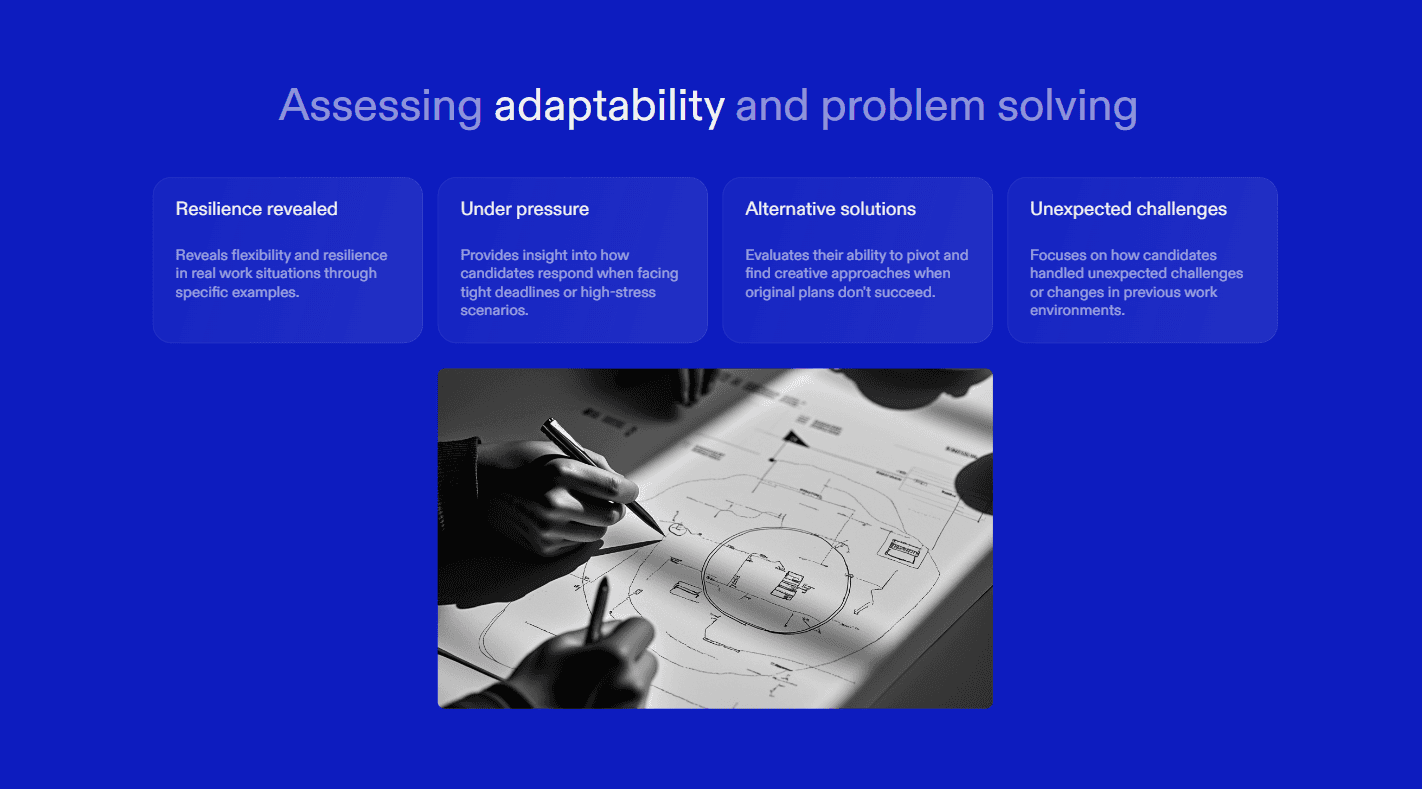
Adaptation Check
What changed or went wrong, and how did you adjust in response?
If the candidate cannot do all four, the experience may not be personally held.
None of these requires perfect English.
Only real memory and reasoning.
Documentation Template (Bias-Safe Wording)
Use:
Avoid:
We document signals, not impressions.
How to Train Hiring Teams to Apply This Consistently
Step 1: Replace “gut feel” with signal checklists
Step 2: Practice live follow-up probing in mock interviews
Step 3: Standardize documentation language
Step 4: Review questionable interviews in panel calibration
Conclusion
It is possible to detect interview fraud and increase fairness at the same time.
The key is:
Evaluate reasoning, not rhetoric
Evaluate memory, not fluency
Evaluate decision logic, not confidence cues
Document behaviors, not feelings
Fraud detection becomes bias-safe when it is:
Structured
Consistent
Neutral
Cognitive, not stylistic
The goal is not to judge people.
The goal is to ensure that hiring decisions are real, accurate, and fair.