Back to all blogs
Clear ways to communicate interview fraud risks and prevention measures to hiring managers in a calm, actionable manner.

Abhishek Kaushik
Jan 8, 2026
Interview fraud is rising, but most hiring managers do not think it applies to their candidates.
The goal is not to scare them.
The goal is to frame fraud detection as quality control, not suspicion.
You will learn:
How to talk about fraud without sounding accusatory
How to position prevention as efficiency and risk reduction
Scripts for manager conversations
How to answer common objections confidently
Why Hiring Managers Push Back
Hiring managers often believe:
Fraud is rare
Recruiting should filter this before it reaches them
Fraud prevention slows the process
"I can tell if someone is lying"
None of these assumptions are accurate.
Key Truth
Fraud today is not sloppy or obvious.
It is professionalized.
A report shows 72% of recruiters have encountered AI-related fraud in hiring, including deepfake interviews and fake credentials, yet most organizations lack proper detection tools.
Fraud is not a hiring manager problem.
It is a pipeline integrity problem.
The Mindset Shift to Create
Do not say:
We are adding fraud checks.
This implies distrust.
Say:
We are improving interview accuracy and reducing rework.
This is the framing that drives alignment.
The Core Message Script
Here is the exact language to use.
Opening Positioning
Remote hiring has changed the behavior of candidates. It is now easier for people to receive outside help during interviews or even have someone else interview for them. Our goal is to ensure that the person we evaluate is the person who joins your team.
Benefit Statement
Fraud prevention is about protecting your time and ensuring your team does not inherit a performance problem later.
Accountability Framing
This is not about catching people. It is about confirming ability and identity with consistency.
Common Objections and How to Respond
Objection | What They Are Really Worried About | What to Say |
|---|---|---|
“This sounds like paranoia.” | They assume fraud is rare. | “We only use verification when signals indicate unclear ownership or identity. It is selective and structured.” |
“I know how to spot this.” | Confidence bias. | “Fraud today looks like confidence and fluency. We check reasoning depth, not tone or personality.” |
“Will this slow hiring down?” | Time pressure. | “Verification adds 3 to 6 minutes and prevents weeks of rework and onboarding reversal.” |
“Will candidates feel insulted?” | Candidate experience. | “We position it as fairness and consistency for all candidates. Most appreciate the clarity.” |
The Key Talking Points to Reinforce
1. Fraud Prevention Protects Hiring Manager Time
One mis-hire costs:
Weeks of onboarding
Team frustration
Performance remediation
Replacing the hire again
2. Fraud Prevention Improves Team Performance
Real performers integrate faster and contribute sooner.
3. Fraud Prevention is a Fairness Mechanism
It ensures:
Every candidate is evaluated consistently
No one has an unfair advantage
The best talent wins, not the best prep-hack
The Script for Introducing Prevention to a Hiring Panel
Use this before starting interviews:
Short. Neutral. Professional.
How to Train Managers to Recognize the Right Signals
Teach managers to look for:
Lack of personal ownership
Conflict-free narratives
Inability to adapt when constraints change
Rehearsed or overly polished delivery
Not:
Accent
Personality
Confidence
Eye contact
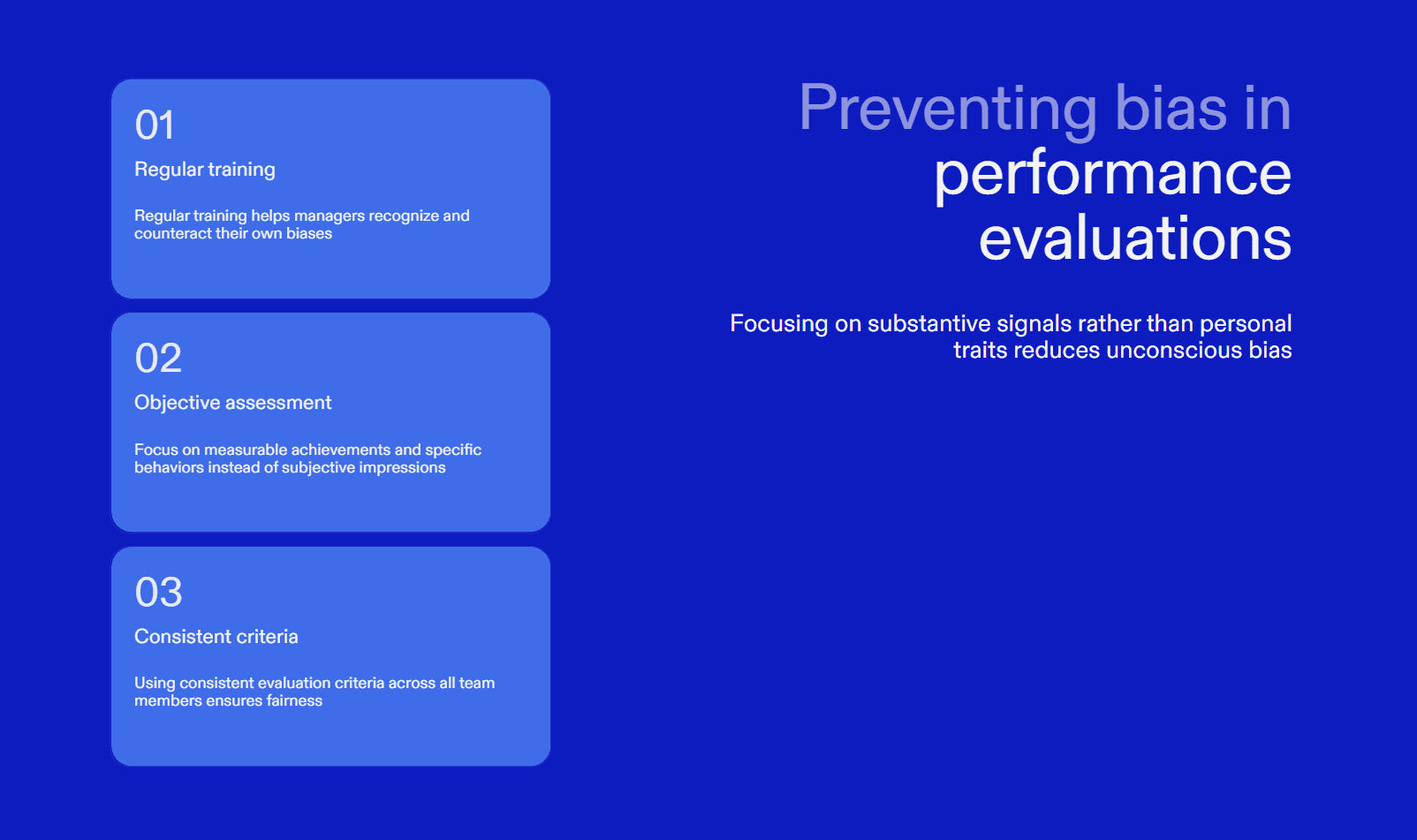
This prevents bias creep.
Conclusion
Fraud prevention is not about distrust.
It is about:
Protecting hiring managers
Preserving team performance
Reducing rework
Making decision-making more reliable
Positioning matters more than mechanics.
The message is:
We are increasing accuracy, not increasing suspicion.